An American journalist being snatched in broad daylight in Baghdad is a sharp reminder of what happens when U.S. interests and citizens sit inside a region where law, order, and accountability are still fragile.
Story Snapshot
- Freelance U.S. journalist Shelly Kittleson was abducted near a checkpoint in Baghdad during daytime hours, according to Iraqi officials.
- Iraqi security forces pursued the kidnappers’ vehicle; it overturned during the chase, and Kittleson was rescued and taken to a hospital.
- Authorities reported at least one arrest, but the motive and whether a wider network is involved remain unclear.
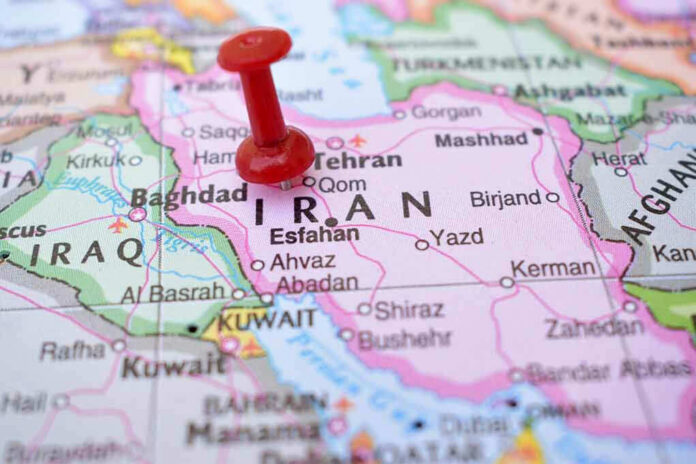
- Iraqi officials signaled they are examining possible Iranian involvement, though available reporting has not provided confirmed proof.
Kidnapping Near a Checkpoint Tests Baghdad’s Security Claims
Iraqi officials said U.S. journalist Shelly Kittleson was abducted in Baghdad in broad daylight near a checkpoint, a detail that raises hard questions about how secure daily movement really is in the capital. Iraqi security forces pursued the kidnappers shortly after the grab, and the pursuit ended when the suspects’ vehicle overturned. Authorities said Kittleson was rescued, injured, and transported for medical care.
Early details suggest a fast operational response by Iraqi forces, but the public record still leaves major gaps. Reporting indicates one suspect was arrested during the incident, while the number of additional suspects and the planning behind the kidnapping have not been made clear. Iraqi officials have not released a detailed public narrative explaining whether the abduction was targeted, opportunistic, politically motivated, or purely criminal. That uncertainty matters for assessing risk to Americans still operating there.
What’s Known, What Isn’t, and Why That Distinction Matters
The clearest confirmed points are limited: the abduction occurred, a pursuit followed, the vehicle overturned, Kittleson was recovered alive, and at least one suspect was taken into custody. Beyond that, sourcing appears thin. The available research describes a video report that cites “reports say” language rather than presenting direct public statements from Iraqi or U.S. officials. Without official briefings, readers should treat motive and attribution as open questions, not settled conclusions.
Iraqi authorities have also indicated they are investigating whether Iranian involvement played a role. That is a significant claim, but the research provided does not show hard evidence being presented publicly, and it does not document an official U.S. government confirmation. In practical terms, the possibility alone can escalate tensions and shape press coverage and diplomatic posture, but conservatives should demand verified facts before accepting any narrative that could be used to justify broader military escalation.
A Pattern of Foreign-National Targeting Raises the Stakes
The research notes that Baghdad has seen other kidnappings involving foreign nationals, including a referenced case involving a Russian-Israeli researcher. That pattern matters because it suggests this incident may not be isolated. Iraq’s security environment remains volatile, with armed groups and criminal networks operating in the background of regional power struggles. For journalists—especially freelancers without institutional security teams—routine movement can turn into a high-risk decision, even in areas that appear “controlled.”
Why This Story Lands Differently in a War-Weary America
For many Trump voters in 2026, the question is not sympathy—most Americans feel for a kidnapped citizen—but what comes next. When incidents like this collide with rising tensions involving Iran and questions about Israel’s security, it can create a familiar Washington pressure cycle: heightened threat messaging, calls for “action,” and then open-ended commitments. The research does not indicate U.S. action has been announced, but it underscores why voters are split and why proof standards matter.
The constitutional and common-sense concern is that unclear facts can be used to rush policy, spending, surveillance, or military steps that the public did not authorize and Congress may not fully debate. The most responsible approach is narrow: secure the safety of Americans abroad, push for transparent reporting from Iraqi authorities, and insist that any claims of foreign-state involvement be backed by evidence. Limited data is available in the provided reporting, so key insights are necessarily summarized.