
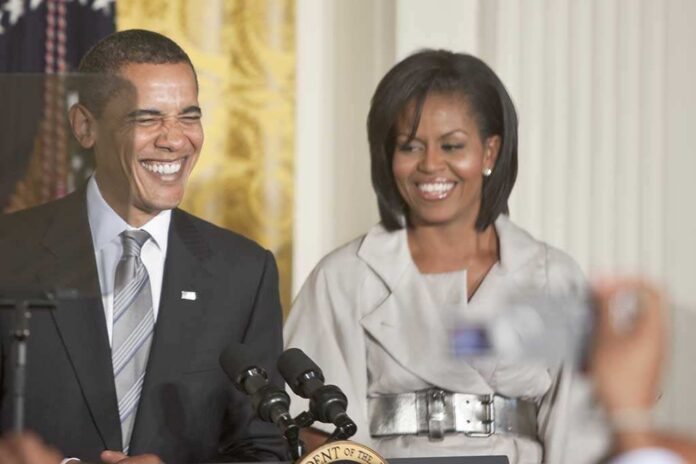
Former President Barack Obama sparked a political firestorm in Virginia by championing a redistricting referendum that critics say would transform a competitive swing state into a one-party fortress through the very gerrymandering he once condemned.
Story Snapshot
- Obama endorsed Virginia’s April 21, 2026 redistricting referendum, claiming it would stop a “MAGA power grab” despite critics arguing it enables Democratic gerrymandering
- The measure could shift Virginia’s congressional map from a competitive 6-5 Republican advantage to a 10-1 Democratic supermajority by concentrating power in Northern Virginia
- Dueling political action committees unleashed competing ad campaigns using Obama’s 2017 anti-gerrymandering video, creating widespread voter confusion documented by NPR and Virginia Tech researchers
- Former Virginia Governor James Gilmore accused Obama of hypocrisy and dishonesty, comparing the “temporary” redistricting promise to past political controversies
- The referendum vote proceeded on April 21 amid intense partisan warfare in a state evenly divided between Democrats and Republicans
The Irony of Obama’s Anti-Gerrymandering Champion Turned Partisan Player
Barack Obama built part of his political legacy on opposing gerrymandering, famously declaring it a threat to democracy in a widely circulated 2017 video. That same footage became the centerpiece of Virginia’s 2026 redistricting battle, but with a twist nobody anticipated. Democratic political action committees repurposed Obama’s anti-gerrymandering message to support a referendum that would allow the Democrat-controlled state legislature to redraw congressional districts before the midterm elections. The former president personally urged Virginians to vote yes on March 26, framing the measure as protection against Republican manipulation despite Virginia’s current 6-5 Republican congressional delegation accurately reflecting the state’s 50-50 political split.
The Map That Could Reshape Virginia Politics for a Generation
Virginia entered this referendum with eleven congressional seats split 6-5 in favor of Republicans, a distribution that mirrors the state’s genuine political diversity. The proposed redistricting would hand the Democratic-controlled legislature authority to redraw these boundaries with what opponents characterize as surgical precision. Conservative analysts project the new map would create a 10-1 Democratic advantage by packing Republican voters into a single district while spreading Democratic strongholds across Northern Virginia’s population centers, particularly Fairfax County. This dramatic transformation in a genuinely competitive state raises questions about whether redistricting reform can be separated from partisan advantage when one party controls the redrawing process.
When Political Messaging Creates Voter Confusion Instead of Clarity
The weeks leading to the April 21 referendum descended into an advertising war that left voters genuinely uncertain about what they were voting for and who supported which position. Anti-redistricting political action committees deployed billboards featuring Obama’s image alongside messages opposing the referendum, while pro-redistricting groups simultaneously used his 2017 video to support it. A Virginia Tech communications professor warned NPR that this cumulative confusion could suppress voter turnout, a troubling outcome for any democratic process. The competing narratives transformed a complex policy question into a bewildering maze where even politically engaged citizens struggled to separate fact from spin, raising legitimate concerns about how modern political warfare undermines informed decision-making.
The Gilmore Critique and Questions of Political Honesty
Former Virginia Governor James Gilmore delivered a scathing assessment of Obama’s involvement, arguing the former president was staining his reputation by endorsing what amounts to Democratic gerrymandering disguised as reform. Gilmore’s criticism cut to a fundamental tension in American politics: whether partisan advantage can justify methods previously condemned when employed by opponents. The “temporary” nature of the redistricting particularly drew fire, with critics drawing parallels to other political promises that proved less temporary than advertised. Republican Governor Glenn Youngkin urged a no vote, though he faced accusations of his own inconsistency on redistricting promises. The debate exposed how redistricting battles inevitably devolve into partisan warfare regardless of who champions reform rhetoric.
The Precedent That Could Echo Across Swing States
Virginia’s redistricting referendum carries implications far beyond the Commonwealth’s borders as other swing states watch how partisan legislatures can leverage reform language to consolidate power. The measure bypasses independent commission structures that have become the gold standard for fair redistricting, instead granting the Democrat-controlled legislature direct authority to redraw maps before crucial midterm elections. This approach contradicts the independent commission model that good-government advocates typically champion as the antidote to partisan gerrymandering. The referendum’s outcome could encourage similar efforts in other competitive states where one party controls the legislature and sees opportunity in pre-midterm redistricting. The national implications dwarf the local impact, potentially establishing a template for how control of state legislatures translates into congressional dominance regardless of actual voter sentiment.
The Democracy Question Nobody Wants to Answer
Both sides wrapped themselves in democracy rhetoric while pursuing outcomes that would benefit their party at the expense of genuine electoral competition. Democrats framed the referendum as stopping MAGA Republicans from stealing democracy, while Republicans characterized it as a Democratic power grab to rig midterm elections. The truth likely sits in uncomfortable middle ground: Virginia’s current 6-5 Republican congressional split reasonably reflects a genuinely divided electorate, and any map producing a 10-1 advantage for either party would distort representative democracy. The referendum battle ultimately revealed how redistricting reform has become another partisan weapon rather than a good-government priority, with both parties willing to gerrymander when opportunity permits while condemning the practice when opponents control the process.
The April 21 referendum results remained unreported in available sources, leaving Virginia’s political future uncertain. What stands clear is that Obama’s involvement transformed a state ballot measure into a national controversy exposing the gap between anti-gerrymandering rhetoric and partisan reality. Whether voters saw through the advertising confusion to make an informed choice about their state’s political future remains the unanswered question at the heart of this democracy debate.
Sources:
Fox News Video – Redistricting Debate