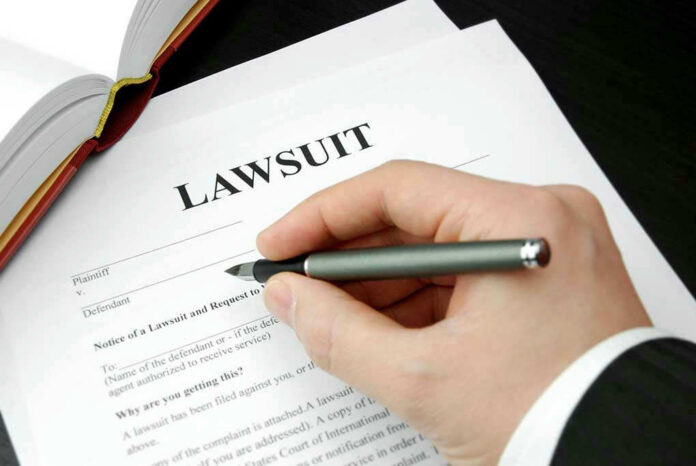
A New Orleans grand jury hit Louisiana Attorney General Liz Murrill with 16 felonies over warning letters she says were simply the law in plain English.
Story Snapshot
- A grand jury returned 16 counts: 8 intimidation, 8 malfeasance.
- Bond set at $400,000, signaling the court views the charges as serious.
- Prosecutor says jurors acted on their own and found probable cause.
- Defense calls the case unusual and political; governor blasted it.
What Sparked A Felony Fight Between Baton Rouge And New Orleans
Orleans Parish jurors indicted Attorney General Liz Murrill after a weeks-long probe into letters she sent to New Orleans leaders. Those letters warned that city officials could be removed if they usurped state authority while reshaping the local court system. Former Judge Laurie White, serving as special prosecutor, said the panel found probable cause for eight counts of public intimidation or retaliation and eight counts of malfeasance in office. The court set a $25,000 bond on each count, totaling $400,000.
Supporters of the indictment say the state’s top lawyer crossed a line when she warned local leaders about removal from office. They argue elected officials must be free to debate court changes without fear of state threats. White said the grand jury began the investigation on its own, which is rare but allowed, and concluded the evidence justified the charges. Critics reply that such a process invites politics to dress up as justice. That tension now defines the case.
The Letters At The Center Of The Case
According to reporting aired around the courthouse, Murrill sent eight letters to the mayor, the district attorney, and several council members as the city weighed a plan to change how the criminal court clerk’s functions were handled. The letters warned that the officials risked removal if they acted outside state law. The prosecution frames that as intimidation of public officials. The defense frames it as a legal opinion the office issues as routine business, citing the attorney general’s duty to tell officials what the law says.
Murrill’s team calls the charges unusual and says the letters stayed within legal bounds. They argue intent matters. A warning about law is not a threat if it cites the statute and aims to prevent a violation. They also note that the Louisiana Supreme Court later signaled confusion surrounded the new law central to the dispute, which undercuts the idea that the letters enforced a bright-line rule against clear bad actors. On that record, calling the letters criminal looks like a stretch.
The Process Questions That Will Not Go Away
Defense attorneys flagged three process concerns. First, they say a self-initiated grand jury is rare and caught them off guard. Second, they point to a potential conflict because the judge who appointed White also oversees many cases tied to the attorney general’s office. Third, they allege leaks from the grand jury room broke secrecy rules. These claims do not nullify the indictment on their own, but they do invite higher-court review. The governor has already urged a state police probe into alleged improprieties.
On the other side, White stated in open comments that jurors acted independently and found probable cause without pressure. That assertion, if backed by transcripts and logs, would blunt the conflict claim. Common sense says sunlight settles it: release what the law allows, including the letters themselves, to show whether they read as neutral guidance or a hammer. If the evidence is strong, it should survive scrutiny. If weak, the case should collapse quickly.
Power, Pride, And The Pattern In Louisiana
This fight fits a long Louisiana pattern. State leaders, often Republican, push changes in New Orleans, a Democratic city. Local leaders push back. Each side claims the rule of law. Voters see dueling press events, sharp letters, and courtroom drama. That dynamic breeds distrust and fuels talk of “kangaroo courts.” The governor and Republican groups blasted this indictment in those terms within hours, which signals a pardon is already on the table if this ever gets to conviction.
Why The Stakes Run Beyond One Indictment
Prosecutors say the case protects local officials from threats wrapped in legalese. The defense says it protects the attorney general’s duty to warn officials before they break the law. Both cannot be true at once. The clean test is intent and clarity. If the letters aimed to chill lawful debate, the charges fit. If they aimed to stop unlawful action amid a confused statute, prosecution starts to look like politics by other means. The appellate courts will likely decide that line.
What To Watch Next
Watch for three reveals. First, the exact text of the eight letters. Second, any higher court orders that pause or narrow the case. Third, any probe into the grand jury’s process. If the paper trail matches the prosecution’s story, the case stands taller. If it matches the defense story, this may join a long list of Louisiana power plays that ended with heat, noise, and nothing else. Until then, the bond, the counts, and the courtroom speak for themselves.
Sources:
youtube.com, facebook.com, liz4la.com
© totalconservative.com 2026. All rights reserved.