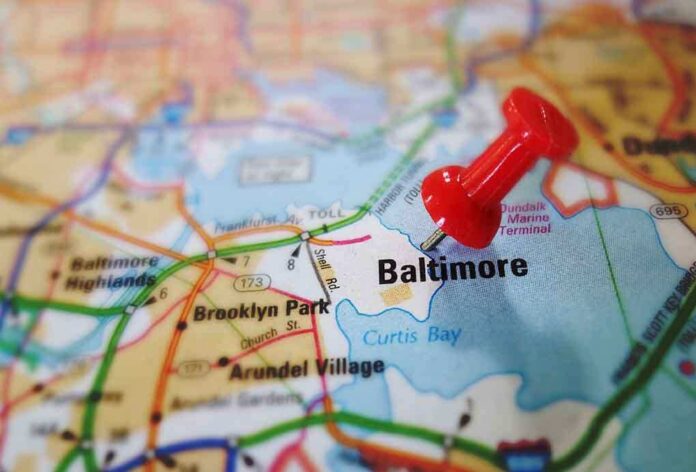
A new deployment strategy threatens local autonomy, igniting a debate on federal overreach in Baltimore.
Story Highlights
- Federal forces are being deployed to Baltimore despite local opposition.
- Baltimore’s crime rates have recently dropped, questioning the need for military presence.
- Legal and political tensions rise over federal versus local law enforcement authority.
- Arguments persist about the effectiveness of militarization versus community-based policing.
Federal Forces Stir Controversy in Baltimore
President Donald Trump has announced the deployment of federal forces, including the National Guard, to Baltimore, labeling it as one of the most violent cities in the United States. This move, however, has sparked considerable controversy, as local leaders argue that crime rates have significantly decreased due to community-based initiatives. President Trump’s decision highlights a growing divide between federal intervention and local authority in crime management strategies.
Maryland Governor Wes Moore countered the federal move by announcing a surge of state police in Baltimore, focusing on evidence-based crime reduction methods. He emphasized the importance of non-militarized, community-driven approaches that have shown success in lowering crime rates. The Governor’s resistance to federal militarization underscores the state’s commitment to maintaining local control over policing strategies.
Legal and Political Tensions Escalate
The deployment of federal troops raises significant legal and political questions, particularly concerning the Posse Comitatus Act, which limits the use of military forces in domestic law enforcement. Legal experts and local officials argue that such federal actions may set a dangerous precedent, potentially undermining local autonomy and eroding trust in law enforcement. These developments have prompted legal challenges, as local and state leaders seek to assert their authority in managing public safety.
Federal forces have been deployed to other cities, including Chicago, where similar legal scrutiny has been applied. The expansion of these deployments despite local opposition reflects a broader federal strategy under Trump’s administration to enforce law and order through direct intervention. This approach has ignited debates about the balance of power between federal and local governments in addressing crime.
Community-Based Solutions Versus Militarization
Local leaders in Baltimore, including Mayor Brandon Scott, advocate for community-based solutions that focus on social investment and collaboration with federal law enforcement agencies like the FBI and DEA. They argue that these approaches have already led to historic lows in crime rates, challenging the narrative that Baltimore is in crisis. Supporters of community policing emphasize its effectiveness in building trust and ensuring long-term public safety without the need for military presence.
The clash between federal intervention and local strategies highlights broader issues in law enforcement policies. As the debate continues, residents and officials alike are concerned about the potential impact on community relations and the precedent set for future federal involvement in local affairs.
While President Trump and his supporters argue that federal intervention is necessary to restore order, critics warn against the risks of militarization and its implications for civil liberties and local governance. The ongoing legal and political battles over these deployments will likely have lasting effects on the relationship between federal and local authorities in the United States.
Sources:
Moore announces police surge in Baltimore as Trump threatens National Guard occupation
President Trump Baltimore National Guard Maryland Crime Moore Scott
2025 Deployment of Federal Forces in the United States