A shocking act of animal cruelty has reignited debates around law enforcement and justice.
Story Highlights
- A suspect has been arrested for allegedly using fireworks to harm a dog.
- Eyewitnesses played a crucial role in identifying the suspect.
- This case highlights ongoing concerns about the reliability of eyewitness testimony.
- Legal experts call for reforms to better assess eyewitness reliability.
Eyewitness Testimony’s Crucial Role
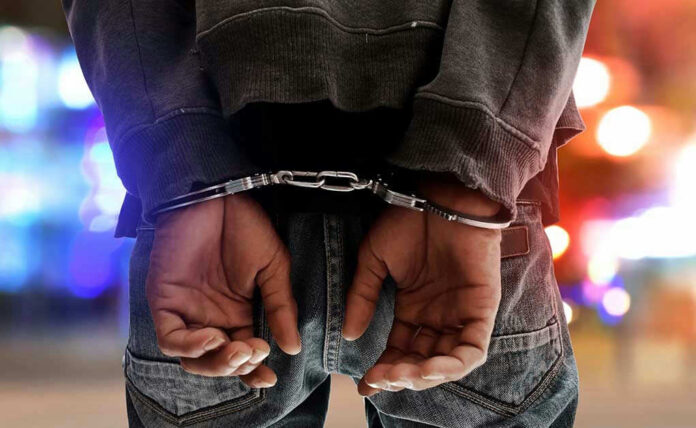
The recent arrest of a man accused of throwing fireworks from his car to kill a dog underscores the critical role of eyewitness testimony in criminal justice. The crime, witnessed by two individuals, was reported to law enforcement, leading to the suspect’s identification and arrest. This incident highlights the reliance on human memory in legal proceedings, especially when physical evidence is absent.
Eyewitness reliability has been scrutinized, with psychological research showing the fallibility of memory under stress. The witnesses in this case experienced acute stress during the event, conditions known to impair memory accuracy. Despite these challenges, their accounts have become pivotal in the prosecution’s efforts to establish the sequence of events and determine guilt.
Challenges in Eyewitness Testimony
Historically, eyewitness testimony has been a cornerstone of the justice system, yet numerous studies reveal its limitations. Memory is reconstructive, influenced by stress and social context, often leading to wrongful convictions. In this case, the absence of physical evidence places increased pressure on the eyewitnesses’ recollections, which are being heavily scrutinized by both the defense and prosecution.
The psychological community has long advocated for reforms, such as improved police interview protocols and juror education on memory reliability. These measures could enhance the accuracy of witness statements and reduce the risk of convicting innocent individuals.
Legal and Social Implications
This case, like many others relying on eyewitness testimony, highlights the need for balancing human memory with scientific evidence in court. As courts begin to require expert testimony on the reliability of eyewitness accounts, legal standards are evolving. This shift could have profound implications on police procedures, public trust in the justice system, and the demand for forensic and psychological expertise in trials.
The broader community, including victims, suspects, and law enforcement, remains affected by these developments. Ensuring fair trials and accurate verdicts is crucial not only for justice but also for maintaining public confidence in legal institutions.
Sources:
The Influence of Eyewitness Testimony in Criminal Justice
Memory Recollection and Legal Implications
Understanding Eyewitness Testimony
Rethinking the Reliability of Eyewitness Testimony
Misidentification and Its Consequences