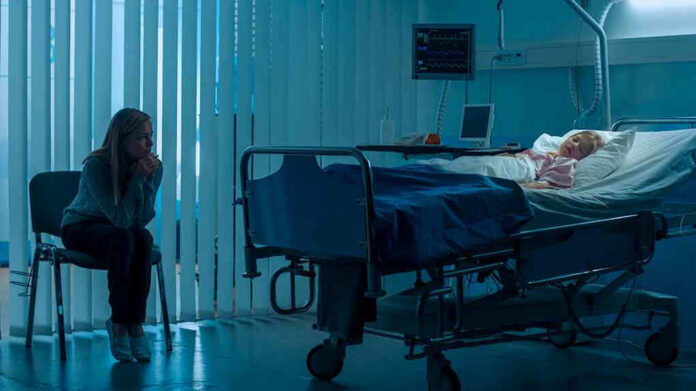
A healthy 14-year-old Scottish performer woke up one morning completely paralyzed from the chest down, struck by a rare neurological condition that affects less than eight people per million—yet nine months later, she defied all medical expectations by returning to the professional stage.
Story Highlights
- Jessie-Lou Harvie was paralyzed overnight by transverse myelitis, a one-in-a-million spinal cord condition
- Doctors initially warned she might never walk again after February 2024 diagnosis
- Intensive rehabilitation at specialized facilities enabled remarkable recovery progress
- She returned to professional performing just nine months later in Edinburgh’s Lyceum Theatre
Sudden Onset of Rare Neurological Condition
On February 10, 2024, Jessie-Lou Harvie experienced every parent’s nightmare when she woke up feeling weak and quickly became paralyzed from the chest down. The previously healthy teenager was rushed to medical facilities where doctors conducted weeks of extensive testing. In March 2024, medical professionals diagnosed her with transverse myelitis, a devastating condition that causes inflammation of the spinal cord and affects only one to eight people per million globally.
Medical Battle and Specialized Treatment
Jessie-Lou’s journey through the medical system highlights both the challenges of rare condition diagnosis and the importance of specialized care. The Royal Hospital for Children in Glasgow provided initial treatment and diagnosis, working through complex testing procedures to identify her condition. In May 2024, she was transferred to Stoke Mandeville Hospital, renowned for its specialist rehabilitation services, where intensive therapy began addressing her paralysis and mobility challenges.
Family Advocacy and Recovery Process
Nicola Harvie, Jessie-Lou’s mother and a trauma lead in education, became a crucial advocate for her daughter’s treatment and rehabilitation. The family navigated complex medical decisions while supporting Jessie-Lou’s determination to recover and return to performing. This parental advocacy demonstrates how families must often fight for specialized care and resources when facing rare medical conditions that many healthcare providers have limited experience treating.
The rehabilitation process proved intensive and demanding, requiring Jessie-Lou to relearn basic mobility functions. Specialized equipment, including partial funding for a Bioness L300 Go device to aid mobility, became essential tools in her recovery journey. Her case underscores the significant costs and resource requirements families face when dealing with rare neurological conditions.
Remarkable Recovery and Return to Stage
Jessie-Lou’s recovery timeline defied medical expectations and demonstrates extraordinary determination. She was discharged from Stoke Mandeville Hospital in June 2024, began part-time schooling in August, and resumed full-time education by October. Most remarkably, in November 2024, she returned to professional performing in the world premiere of Wild Rose at Edinburgh’s Lyceum Theatre, just nine months after her initial paralysis.
Despite ongoing challenges like foot drop, Jessie-Lou continues pursuing her performing dreams while undergoing rehabilitation. Her story emphasizes the importance of perseverance and physiotherapy in recovery from rare neurological conditions. The case highlights how specialized rehabilitation centers and family advocacy can achieve outcomes that initial medical assessments deemed unlikely, offering hope to other families facing similar devastating diagnoses.
Sources:
Transverse myelitis symptoms and causes – The Independent
Teen performer returns to stage 9 months after paralysis – Upday News