
The “drug that could end obesity” isn’t one miracle shot—it’s a new way of treating hunger like biology, not a moral failure.
Story Snapshot
- GLP-1 and dual-hormone drugs (semaglutide, tirzepatide) can drive roughly 12–20% body-weight loss in many patients, far beyond older diet-pill averages.
- Oral versions arriving in 2025–2026 widen access, but pill results generally trail injections, so “end obesity” hype outruns the data.
- Weight regain after stopping remains the inconvenient truth most viral clips skip.
- High prices, supply constraints, and insurance politics decide who benefits more than any headline does.
The Viral Hook vs. the Clinical Reality
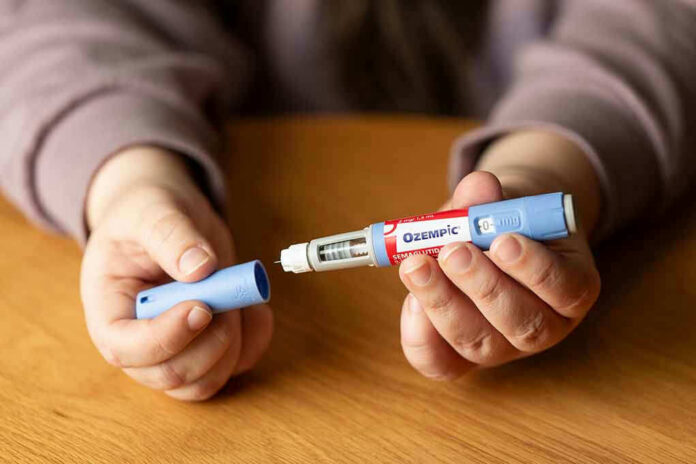
Semaglutide (Wegovy/Ozempic) and tirzepatide (Zepbound/Mounjaro) didn’t appear out of thin air as vanity drugs. They emerged from diabetes care and then collided with America’s obesity crisis, where millions have tried willpower-based fixes for decades. The results look dramatic because the drugs blunt appetite and change satiety signals. That’s real progress. Ending obesity, though, implies permanence, universal access, and zero tradeoffs—none of which exists.
Media hype thrives on before-and-after photos, celebrity chatter, and the fantasy that one prescription cancels a lifetime of metabolic struggle. Clinicians tell a more sober story: these medications can be “life-changing” for the right patient, yet they work best as chronic therapy, not a one-time reset. That difference matters for a country that expects quick fixes, dislikes dependency, and still treats obesity like a character flaw instead of a chronic condition.
Why These Drugs Work When Older Diet Pills Fell Short
GLP-1 is a gut hormone released after meals; these medications mimic that signal to slow gastric emptying, curb appetite, and improve blood sugar control. Tirzepatide adds another hormone pathway (GIP), which helps explain why head-to-head results often look stronger than earlier options. Compare that to older combinations such as phentermine-topiramate or naltrexone-bupropion, which typically delivered more modest average weight loss and came with their own side-effect baggage and adherence problems.
The Timeline That Turned a Diabetes Drug into a Cultural Earthquake
The modern story begins with regulatory milestones that quietly rewired the market. Ozempic gained approval for diabetes in 2017; Wegovy followed in 2021 for obesity; Zepbound arrived in 2023 with fresh momentum. Then the plot twist that made headlines: oral GLP-1 options. A first oral Wegovy pill for obesity appeared in late 2025, followed by a second oral GLP-1 approval in early 2026 tied to Eli Lilly’s pipeline, marketed as simpler to take.
Pills Change the Game, Even If They Lose on Raw Power
Injection aversion is real. So is the friction of refrigeration, travel planning, and the mental load of “I’m a person who injects medication.” Oral GLP-1s attack that barrier and could expand adoption among people who would never start a weekly shot. Trial outcomes for the newer pills have been reported in the single to low double-digit percentage range, generally below the best injection results. That gap fuels a central tension: convenience vs. maximum weight loss.
The Catch Nobody Likes: Stop the Drug, and Hunger Often Comes Roaring Back
The most important sentence in this entire debate sounds almost impolite: many patients regain weight after discontinuation. That doesn’t mean the drugs “don’t work.” It means obesity behaves like other chronic conditions where stopping therapy often reverses benefits. Common sense and conservative values both point to the same question: who pays for long-term treatment, and under what rules? If a medication functions like maintenance, society can’t pretend a three-month course “fixes” anything permanently.
What Gets Lost in the Hype: Muscle, Side Effects, and the Real Goal
Weight loss isn’t automatically health. People over 40 understand that strength, balance, and independence matter as much as the number on a scale. Rapid loss can include lean mass, not just fat, and the industry now talks openly about combinations meant to preserve muscle. Side effects also shape adherence, especially gastrointestinal symptoms that can become deal-breakers. The best framing is boring but true: the goal is risk reduction—blood pressure, diabetes progression, heart outcomes—not beach-season bragging rights.
The Economics and Politics That Will Decide the “Obesity Era”
Two companies—Novo Nordisk and Eli Lilly—sit at the center of a market projected in the tens of billions. That kind of money invites glossy narratives and aggressive promotion, but access still runs through insurance coverage, prior authorizations, and employer plans. Shortages and pricing push people into gray areas: compounded versions, off-label use, and influencer-driven demand. A conservative lens favors transparency, safety, and accountability: regulated supply chains beat shortcuts, even when the shortcuts feel affordable.
So, Will Any Drug “End Obesity”? Not the Way Headlines Mean It
These medications can redefine obesity treatment the way statins reshaped cholesterol care: not by erasing the problem, but by lowering risk at scale when used appropriately. The realistic “ending” is quieter—a gradual shift from stigma to medical management, with better tools and more personalized strategies. The unresolved loop is the one no viral clip can close: long-term affordability, long-term adherence, and long-term outcomes in people who don’t already have diabetes or heart disease.
This Drug Could End Obesity?! 🤯
Continue watching the FULL episode with Louisa Nicola at 12:30 PM CST.@louisanicola_ pic.twitter.com/x1bT3vFwrj
— Shawn Ryan Show (@ShawnRyanShow) April 30, 2026
GLP-1 hype will cool, but the underlying lesson will stick. Hunger isn’t just a personal failing; it’s a biological signal that can be amplified, distorted, and—now—medically adjusted. That’s both hopeful and unsettling. Hopeful because it offers relief to people who’ve been blamed for years. Unsettling because it forces an adult conversation about lifelong treatment, personal responsibility paired with medical reality, and whether American healthcare can handle chronic therapy for millions without collapsing under its own paperwork.
Sources:
https://www.labiotech.eu/in-depth/new-weight-loss-drugs/
https://www.goodrx.com/conditions/weight-loss/new-weight-loss-drugs
https://magazine.ucsf.edu/weight-loss-drugs-too-good-to-be-true
https://obesitymedicine.org/blog/weight-loss-medications/
https://pmc.ncbi.nlm.nih.gov/articles/PMC11659566/