A single Hollywood monologue, mistaken for Scripture inside the Pentagon, shows how fast “inspiring” turns into “embarrassing” when nobody checks the source.
Quick Take
- Pete Hegseth recited a near-verbatim version of the “Ezekiel 25:17” speech from Pulp Fiction during an April 15, 2026 Pentagon prayer service.
- He presented it as a real prayer called “CSAR 25:17,” attributed to a combat search and rescue mission planner, with small substitutions like “downed aviator” and “Sandy 1.”
- The actual Bible verse is a short line about vengeance, not the long speech popularized by Samuel L. Jackson’s character.
- The story went viral because the quote is traceable, meme-ready, and awkward in an official government worship setting.
A Pentagon prayer service turns into a pop-culture tripwire
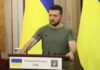
Pete Hegseth led a monthly, voluntary Pentagon worship service on April 15, 2026 and delivered what he framed as a serious prayer rooted in combat search and rescue culture. The problem came down to the text: the prayer closely tracked the famous “Ezekiel 25:17” speech from Pulp Fiction, a deliberately fictional riff. Reports say he received it beforehand from a mission planner and treated it as authentic.
The detail that makes the episode stick isn’t just that he quoted a movie. It’s that he quoted a movie as Scripture inside a building that runs the U.S. military, then tied it to a war scenario involving a downed aircrew over Iran. That gives the story a fuse: official authority, religious language, and a cinematic threat-statement dressed up as devotion. Once people recognized the lines, the internet did what it always does.
The quote’s origin: Tarantino’s “verse,” not Ezekiel’s
Pulp Fiction cemented the monologue in American memory by using it as a prelude to violence. Quentin Tarantino built the speech by borrowing from the real Ezekiel 25:17 and expanding it into a dramatic warning about shepherds, tyranny, and vengeance. Some reporting traces phrasing back to the 1976 Japanese film Karate Kiba, which helps explain why the “verse” sounds biblical while still feeling oddly theatrical.
The Bible itself doesn’t contain the monologue people can recite from memory. The King James Version’s Ezekiel 25:17 is a single, blunt sentence about executing great vengeance with furious rebukes so that the target knows who the Lord is. That contrast matters because it explains why the misquote is so easy to prove. Anyone can compare the text and see which one reads like ancient prophecy and which one reads like a script written to chill a room.
How “CSAR 25:17” likely traveled through military culture
The most plausible explanation in the reporting isn’t that Hegseth tried to smuggle profanity-era Tarantino into a sanctuary. It’s that the line has circulated for years as an inside nod among people steeped in rescue and combat lore. Units build identity with call signs, rituals, and gallows humor; a “prayer” that sounds righteous while winking at a famous scene can easily become a piece of shared culture, passed along without a warning label.
That still leaves the central failure untouched: vetting. When a senior official leads a religious event in an official setting, the standard has to be higher than “a guy handed it to me.” The most charitable interpretation is that someone “memed” him and he didn’t recognize it. The least charitable is that nobody around him felt empowered to say, “Sir, that’s from a movie,” which is a leadership and staff problem, not a theology debate.
Why the backlash lands harder on conservatives than critics admit
The easy angle for critics is to sneer at religion in government. That’s lazy. The sharper critique is conservative: take faith seriously, don’t treat Scripture like a prop, and don’t confuse moral clarity with theatrics. People over 40 remember when public officials got hammered for misquoting a single line; this was an entire monologue. Conservative voters tend to forgive human error, but they hate avoidable sloppiness that makes institutions look unserious.
The episode also clashes with a common-sense view of the military: warriors deserve plain talk, not performative piety. A prayer service can build resilience and humility, but only if it stays grounded in truth. Mixing worship with a cinematic vow of vengeance blurs categories that should stay clean: spiritual encouragement on one side, operational lethality on the other. When leaders confuse the two, cynics get ammunition and sincere believers get embarrassed.
The bigger lesson: credibility dies by a thousand small shortcuts
Reports also point to a prior March 25, 2026 prayer that asked for “overwhelming violence of action” and precise enemy targeting. That context helps explain why “CSAR 25:17” didn’t immediately trip alarms inside the room; the tone already leaned militaristic. The real risk isn’t that someone used a movie quote once. The risk is building a habit of borrowing punchy language without stopping to ask whether it’s true, wise, or appropriate.
If the Pentagon responds at all, the smart fix won’t be a speech-policing regime. It will be simple standards: confirm sources, attribute correctly, and separate devotional content from combat rhetoric. Nobody needs a committee to recognize Pulp Fiction, but leaders do need the discipline to slow down and verify what they’re saying before they say it from a podium. Credibility is hard to earn and easy to meme into dust.
Sources:
Pete Hegseth quotes Samuel L. Jackson’s fake Bible verse from Pulp Fiction during sermon
Pete Hegseth led a Pentagon prayer service using a fake Bible verse from Pulp Fiction