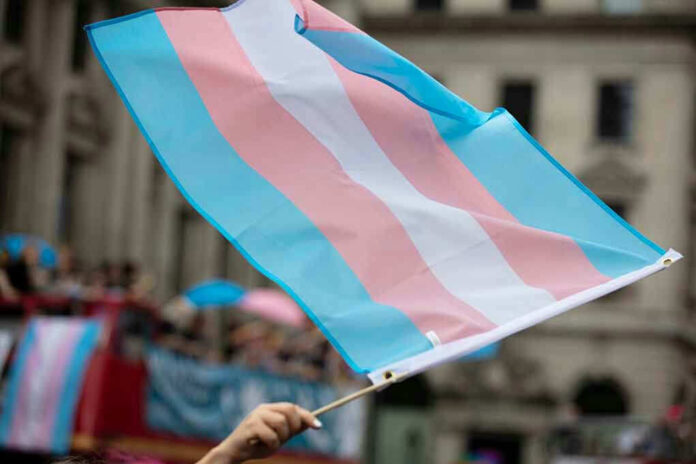
North Carolina’s new legislation, recognizing only male and female as legal sexes, has sparked debate, aligning the state with a wave of conservative reforms.
Story Highlights
- House Bill 805 recognizes only “male” and “female” as legal sexes in North Carolina.
- The bill restricts gender-affirming care for minors and modifies birth certificate procedures.
- The legislation aligns with President Trump’s executive order from January 2025.
- Supporters emphasize biological reality and parental rights, while critics warn of discrimination.
North Carolina’s New Legislation Takes Effect
On January 1, 2026, House Bill 805 officially took effect in North Carolina. This law formally recognizes “male” and “female” as the only two sexes in state administrative rules and public policies. It defines sex based on biological reproductive characteristics at birth, aligning with President Trump’s executive order. This move places North Carolina among 16 states endorsing this binary recognition.
The bill also restricts gender-affirming care for minors and modifies birth certificate procedures, reflecting broader conservative values. Under the new law, state funding for gender-affirming care is blocked, and counties must preserve both original and updated birth certificates as multi-page documents. Supporters of the bill, like House Speaker Destin Hall, argue it aligns with parental rights and biological reality.
Stakeholder Reactions and Bipartisan Support
Governor Josh Stein, who vetoed the bill, criticized it as targeting vulnerable people. Despite his opposition, the veto was overridden by a bipartisan effort with one Democratic representative joining Republicans. The NC Values Coalition and other supporters emphasize common sense and child protection, while LGBTQ+ advocates warn of discrimination and legal erasure of transgender identities.
Medical organizations have pushed back against the characterization of gender-affirming care as malpractice. HHS Secretary Robert F. Kennedy supported the restrictions, calling gender-affirming care “junk science.” The law’s bipartisan support reflects a complex political landscape, with Republican sponsors framing it as aligning with federal mandates.
Implications and Future Prospects
In the short term, all state documents will now recognize only male or female designations, potentially creating identification inconsistencies. Healthcare providers face extended exposure to malpractice claims for gender transition procedures provided to minors. Long-term implications include potential legal challenges regarding equal protection and due process rights, as well as increased polarization in public discourse.
The law signals a broader national trend under the Trump administration, influencing other states’ legislative agendas on gender recognition and healthcare policy. As implementation unfolds, attention turns to how state agencies interpret the law, with possible legal challenges ahead.
Sources:
Q Notes Carolinas: NC HB 805 Gender Care Ban Takes Effect 2026
ABC11: NC Gender Identity Law Recognizes Only Male and Female
News Channel 9: North Carolina’s Definition of Sex as Male and Female
WLOS: NC Law Defining Sex as Male and Female