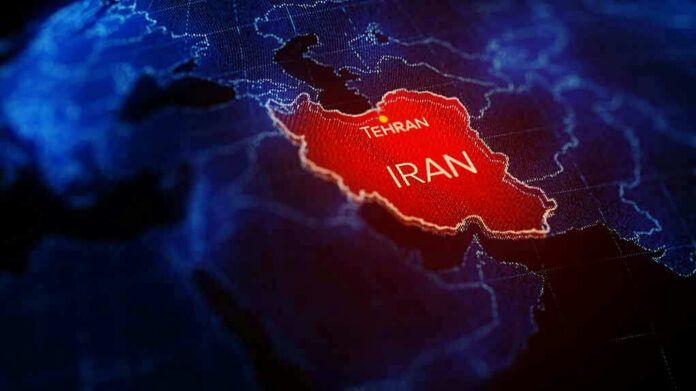
Iran’s brutal regime hanged 19-year-old wrestling champion Saleh Mohammadi in a public spectacle, defying U.S. pleas and exposing the savage reality of Islamist tyranny.
Story Highlights
- National freestyle wrestling star executed on “enmity against God” charges after sham trial tied to January 2026 protests in Qom.
- U.S. State Department demanded halt, but Iranian judiciary ignored international outcry, including from activists and sports bodies.
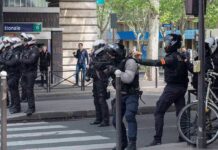
- Public hanging evokes medieval barbarism, targeting athletes to crush dissent amid economic collapse and war tensions.
- Pattern of regime violence: Over 30 athletes killed in protests; echoes 2020 execution of wrestler Navid Afkari despite Trump intervention.
- Calls grow for IOC and UWW to ban Iran from sports, highlighting failures of global bodies to protect athletes.
Execution Details in Qom Central Prison
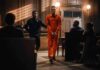
Saleh Mohammadi, a 19-year-old freestyle wrestling champion from Qom, faced public hanging on March 19, 2026, alongside Mehdi Ghasemi and Saeed Davoudi. Authorities charged them with “moharebeh” for alleged involvement in January 8 protests, including attacks on police that killed two officers. The Iranian judiciary, controlled by Supreme Leader Ali Khamenei or son Mojtaba, conducted a closed-door trial with reports of torture, forced confessions, no lawyer access, and no appeal. Qom, a Shia holy city, served as the stage for this symbolic terror during internet blackouts and wartime crackdowns.
Back to the 12th Century: Iran Holds Public Execution for Star Wrestler After Kangaroo Court Trialhttps://t.co/4rFw2qaVH0
— RedState (@RedState) March 19, 2026
Protests Ignite Nationwide Uprising
Protests erupted on January 8, 2026, in Qom over economic collapse, corruption, and war escalations. Mohammadi joined demonstrations, leading to his arrest on January 15 by security forces. Nationwide, forces killed over 30 athletes, including a 15-year-old, in under 10 days. Olympic medalist Alireza Nejati faced arrest and torture for an Instagram protest post. The regime weaponized “moharebeh” charges, rooted in the 1979 Islamic Revolution, to impose death penalties and deter broader uprisings among Iran’s youth.
U.S. Intervention Falls on Deaf Ears
The U.S. State Department publicly demanded Iran halt Mohammadi’s execution via Farsi X posts on January 29, condemning the regime for massacring youth. Activists like Masih Alinejad labeled it “political murder,” noting the regime’s broken promise to pause protester executions. Nima Far and Sardar Pashaei, wrestling experts, blamed IOC and UWW for “quiet diplomacy” failures. Despite pleas from Iranian-American activists and sports bodies, the execution proceeded, underscoring the regime’s defiance of American human rights advocacy.
Experts view this as a warning shot to youth dreaming of freedom. Lisa Daftari called it a direct assault on dissenters. The regime frames it as justice for police killings, but activists highlight a pattern of targeting athletes, paralleling the 2020 Navid Afkari case that sparked defections despite Trump signals for a halt.
Back to the 12th Century: Iran Holds Public Execution for Star Wrestler After Kangaroo Court Trial https://t.co/eywA4P3luy
— Fearless45 (@Fearless45Trump) March 19, 2026
Impacts Fuel Calls for Isolation
The execution heightens fear among Iranian protesters and athletes, potentially spurring suppression or surges in unrest. Families receive no remains or justice. Long-term, it erodes regime legitimacy, drives athlete exiles, and prompts demands for IOC/UWW bans on Iran, which could strip Olympic funding and medals. Socially, it crushes wrestling community dissent—Iran’s national sport with Zoroastrian roots—while politically signaling wartime ruthlessness. Broader effects weaken Iran’s global sports standing, motivating dissidents despite dangers.
Sources:
Iran International (Jan 29, 2026)
Iran Human Rights: Article 8610