Baba Vanga’s predictions for 2026 raise alarm with threats of global disasters and geopolitical tensions.
Story Highlights
- Predictions include massive natural disasters and geopolitical tensions.
- Speculations about AI dominance and alien contact cause widespread concern.
- Media outlets amplify these claims, stirring public anxiety.
- Experts and skeptics caution about the unverified nature of these prophecies.
Nostradamus and Baba Vanga: Prophecies Stirring Anxiety
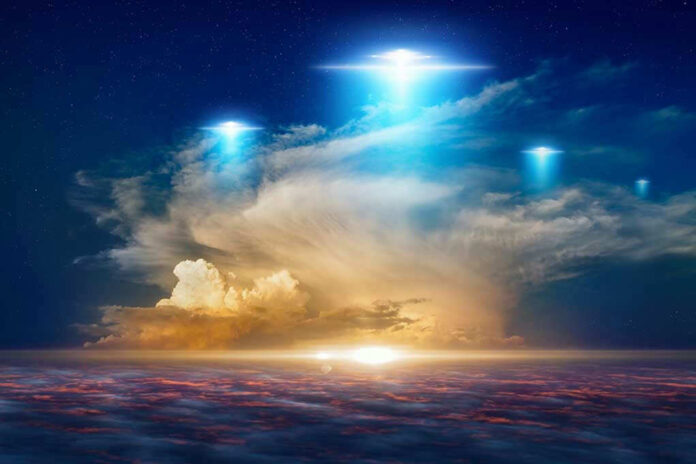
The year 2026 has become a focal point for sensational predictions attributed to Baba Vanga, a blind mystic, and Nostradamus, a famed seer. These prophecies suggest catastrophic natural disasters, including earthquakes and cyclones, alongside geopolitical strife in regions such as Taiwan and the South China Sea. Further adding to public concern are claims of AI dominance and possible contact with extraterrestrial life, as highlighted by the supposed arrival of a massive spaceship.
Media outlets, like the Times of India and WION, have played significant roles in circulating these narratives, driving traffic through sensationalism. However, the lack of verifiable events tied to these prophecies raises questions about their credibility. The predictions are framed as a warning, often disclaiming any intent to alarm, yet their impact on public sentiment is undeniable. This trend underscores the power of media amplification in shaping public perception.
Background and Historical Context
Baba Vanga, born in 1911, gained fame as a mystic after losing her sight at age 12. Her followers have posthumously attributed numerous predictions to her, many of which remain unverifiable. Nostradamus, known for his cryptic quatrains, has similarly been linked to these prophecies, adding historical weight to the narratives. Despite the sensationalism, these prophecies often lack empirical support, relying instead on the public’s fascination with the mystical and the unknown.
Historically, Vanga’s predictions have had mixed accuracy. While some, like the Kursk submarine disaster, were eerily precise, others, such as the prediction that Obama would be the last US president, did not materialize. This pattern of hits and misses highlights the speculative nature of these prophecies, which often mirror contemporary global anxieties rather than providing concrete forecasts.
Media’s Role and Public Reaction
The media’s role in propagating these predictions cannot be understated. With alarming headlines and viral social media posts, outlets like LADbible and the Irish Examiner have fueled public fascination and fear. This dynamic is further amplified by the echo chambers of social media, where such sensational stories gain traction. However, experts caution against taking these prophecies at face value, noting the lack of scientific evidence supporting the claims.
Critics argue that while these stories provide entertainment and provoke curiosity, they also risk eroding public trust in science and rational discourse. The challenge lies in balancing engagement with accuracy, ensuring that the public is informed rather than misled by speculative narratives.
Sources:
2026 Will Shock the World? Scary Predictions by Baba Vanga, Nostradamus, Bhavishya Malika
Baba Vanga’s chilling predictions for 2026 with huge natural disaster
Baba Vanga 2025 WW3 predictions