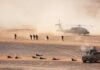
Over 200 prisoners escaped from Pakistan’s Malir prison in Karachi after earthquakes caused chaos, leaving officials scrambling to recapture inmates amid the disaster and highlighting serious security flaws in the nation’s prison system.
Key Takeaways
- More than 200 inmates escaped from Malir prison in Karachi during evacuation procedures triggered by earthquake tremors
- Prisoners attacked guards during the chaos, resulting in one inmate killed and 22 others wounded, including prison staff
- 80 escapees have been recaptured, with 136 still at large, most facing drug charges and minor offenses
- Pakistani authorities have offered leniency to inmates who return voluntarily within 24 hours
- The incident represents a rare security breach in Pakistan’s prison system, prompting an official inquiry
Earthquake Chaos Leads to Massive Prison Break
A series of earthquakes in Karachi, Pakistan has resulted in a massive security failure as more than 200 inmates managed to escape from Malir prison. The breakout occurred after prisoners were evacuated from their cells as a safety precaution during earthquake tremors that hit the region. What began as a standard emergency protocol quickly descended into chaos when a group of opportunistic inmates attacked the guards during the transfer, creating a perfect storm for mass escape in the midst of natural disaster conditions.
78 prisoners re-arrested after mass escape from Karachi jail following earthquake!
216 prisoners escaped, 1 dead and 3 injured.
Sindh Minister: "One of the largest prison breaks in Pakistan’s history."#PrisonBreak #Karachi #Pakistan #Earthquake#کراچی #Prison_Break_Karachi pic.twitter.com/gEqG7nqnsr— خبرنگار آزاد (@Af_Journalist) June 3, 2025
“More than 200 prisoners escaped from a prison in Karachi, Pakistan, after being removed from their cells during earthquake tremors,” said Officials.
Recapture Efforts Underway
Pakistani authorities have launched an aggressive manhunt to recapture the escaped prisoners, with some success already reported. According to officials, 80 of the escaped inmates have been rearrested, leaving 136 still at large. Most of the fugitives were reportedly serving sentences for drug offenses and other minor crimes, rather than major violent offenses, which may provide some relief to nearby communities. The escape has nonetheless stretched emergency services that were already dealing with earthquake response.
“Efforts are underway to recapture the remaining 136 prisoners,” said Arshad Shah.
The incident has resulted in casualties, with one inmate killed during the chaos and 22 others wounded, including prison staff and police personnel. In an attempt to encourage voluntary surrender, authorities have offered leniency to any escapees who return within 24 hours, while promising harsh consequences for those who remain fugitives beyond that deadline. This carrot-and-stick approach reveals the government’s desperation to quickly resolve the situation without further straining resources.
Security Failures and Investigation
Prison breaks of this magnitude are relatively rare in Pakistan, particularly since security measures were enhanced following a major Taliban-assisted escape in 2013. This incident raises serious questions about the effectiveness of emergency protocols in correctional facilities, especially in regions prone to natural disasters. The failure points to inadequate planning for maintaining security during evacuations and insufficient staffing to handle emergency situations properly.
“There will be an inquiry to see why and how this happened,” said Ghulam Nabi Memon.
Officials have announced a formal investigation to determine the exact circumstances that led to the mass escape. The inquiry will likely examine whether proper protocols were followed during the evacuation, if staffing levels were adequate, and whether there were structural vulnerabilities in the prison design that contributed to the security breach. While authorities express confidence in recapturing the remaining fugitives due to having comprehensive data on all escapees, the incident has exposed critical vulnerabilities in Pakistan’s emergency response systems that must be addressed.