A Pentagon press briefing reveals a stark divide in media access, raising concerns about press freedom and transparency.
Story Snapshot
- Pentagon restricts media access, allowing only conservative outlets in briefings.
- Mainstream media excluded due to new operational guidelines.
- Press Secretary Kingsley Wilson criticizes mainstream media for misinformation.
- Concerns grow over transparency and democratic accountability.
Pentagon’s Media Access Restrictions
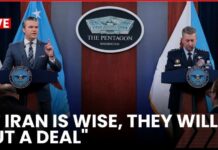
On December 2, 2025, Pentagon Press Secretary Kingsley Wilson conducted a briefing that highlighted new media access restrictions. Conservative outlets were granted access, while mainstream media, including major outlets like The Washington Post and CNN, were excluded. This decision is part of a broader effort to control information flow under Secretary of War Pete Hegseth’s leadership.
Department of War Press Secretary Took a Blowtorch to the Liberal Media Today https://t.co/H9IhLn8gap
— Dianna Deeley (@DiannaDeeley) December 2, 2025
The briefing coincided with the honoring of National Guardswoman Sarah Beckstrom, killed in a recent attack, and criticism of Democratic governors for spreading what was termed as misinformation about military operations, particularly Operation Southern Spear in the Caribbean.
Impact on Press Freedom
The exclusion of mainstream media from Pentagon briefings represents a significant shift in government-media relations. By granting access only to outlets that comply with new guidelines, the Pentagon sets a precedent for selective media access. This raises concerns about democratic accountability and transparency, as the public loses direct reporting from established news organizations on military operations.
Trust in the media is reportedly at an all-time low, and the Pentagon’s actions reflect a strategy to sideline outlets perceived as adversarial. This approach aligns with conservative values of controlling misinformation but risks undermining press freedom.
Concerns Over Transparency
Critics argue that the new restrictions extend beyond protecting classified information and suggest broader objectives of information control. The bifurcated press system could fundamentally alter government-press relations if replicated across other federal agencies, threatening the independence of media organizations and their role in holding the government accountable.
The situation underscores the tension between national security and public information rights, with significant implications for how federal agencies manage media relations.
Sources:
Department of War Spox Took a Blowtorch to the Liberal Media Today
Pete Hegseth Targets News Outlets, Leakers as Defense Secretary
Outlets Reach Millions Denied Access to Rare Pentagon News