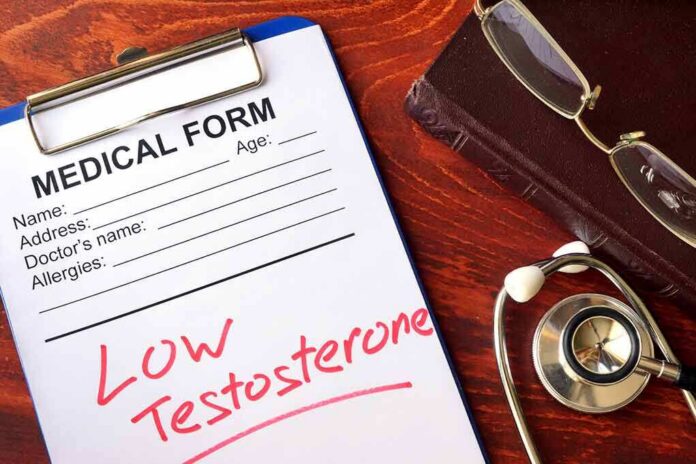
Many veterans walk into clinics thinking “PTSD,” when part of the problem is a silent hormone crash that looks almost the same.
Story Snapshot
- Symptoms like fatigue, low mood, poor sleep, and low drive can signal either PTSD or low testosterone—or both.
- One military medicine study found about one-third of symptomatic male veterans had testosterone under 300 ng/dL.
- Research links blunted testosterone response under stress with later PTSD symptoms in soldiers.
- The Veterans Affairs system reported higher heart risks in some men on testosterone therapy, so treatment choices must be careful.
Overlapping Symptoms Create Confusion That Delays Care
Clinics see the same cluster again and again: poor sleep, brain fog, low energy, irritability, and low sex drive. Those fit classic post-traumatic stress disorder. They also fit low testosterone. Many veterans carry both hits at once, especially after brain injuries or years of stress. A 2020 study in Military Medicine reported that 33 percent of symptomatic male veterans had testosterone under 300 nanograms per deciliter, a common cut point for low levels. That overlap means a single-label answer often misses a fixable piece.
Doctors who focus only on mental health can miss a hormone problem. Doctors who focus only on hormones can miss trauma injuries. That split costs veterans time, marriages, and years of work. The right path starts with a simple rule: screen for both when symptoms blur. Early morning testosterone, repeated to confirm, plus a guided post-traumatic stress disorder screen, sets a clean baseline. Then, address sleep apnea, alcohol use, and extra weight, because they drag both post-traumatic stress disorder and testosterone in the wrong direction.
Stress Biology Explains Why These Problems Travel Together
Combat does not only change thoughts; it changes hormones. Research shows that soldiers with a blunted testosterone rise under a stress challenge, paired with low cortisol reactivity, faced a higher risk of later post-traumatic stress symptoms under war-zone strain. That pattern does not prove every case, but it shows a link that makes sense. Chronic stress can depress the brain’s signal to the testes. The result is lower testosterone, weaker stress recovery, and more fatigue—fuel on the same fire veterans fight after trauma.
Studies do not all agree on steady, across-the-board testosterone changes in post-traumatic stress disorder. Some work finds no clear difference between those with and without the diagnosis, while pointing to pre-deployment low levels as a risk marker for later symptoms. That means timing and subgroups matter. Pre-existing low testosterone may set the stage. Stress exposure then shapes who tips into long-term symptoms. Clinicians should treat this as a layered problem, not a single lab line.
Care Pathway: Test First, Treat the Roots, Then Decide on Hormones
Good care follows a stepwise path. First, test morning total testosterone on two days, and check related hormones if levels are low. Second, fix sleep, alcohol, pain, and weight. Third, start proven post-traumatic stress disorder care, such as trauma-focused therapy, which the Department of Veterans Affairs and Department of Defense guideline backs as first-line. Fourth, if low testosterone persists with clear symptoms, discuss therapy risks and benefits in plain terms. The veteran’s goals, heart health, and fertility plans drive the call.
A physician who treats veterans for hormone deficiency says low testosterone and PTSD share symptoms, raising an important question. https://t.co/ofVOMjf1XX
— Military.com (@Militarydotcom) September 28, 2026
Some veterans report better sleep, calmer mood, and more energy after testosterone therapy when low levels are clear and other causes are treated. That said, the Veterans Affairs system highlighted a study of men with heart disease that linked testosterone therapy with a higher combined risk of death, heart attack, or stroke over about two years. That report pushed many doctors to add caution. Conservative common sense applies: measure twice, treat once, and keep the follow-up tight.
Practical Steps Veterans Can Take This Month
Ask your primary doctor for a post-traumatic stress disorder screen and two early morning testosterone tests. Bring a sleep apnea check into the plan if you snore, gasp, or wake unrefreshed. Track caffeine, alcohol, and nicotine; they wreck sleep and hormones. Lift weights three times a week and add walks on off days; resistance work can support mood and testosterone. If testosterone is low and symptoms match, ask for an endocrine consult and a frank talk about options, monitoring, and heart health.
Keep treatment goals simple and concrete: better sleep by an hour, steadier mood, more day energy, and renewed drive to connect. Use a short weekly tracker for sleep, irritability, focus, and workouts. Share it at each visit. If you start trauma therapy, guard those sessions on your calendar like a mission. If you start testosterone therapy, demand a monitoring plan for blood counts, prostate health, and heart risks. No one should “wing it” with your future.
Bottom Line: Name Both, Treat Both, Reclaim Your Edge
Post-traumatic stress disorder and low testosterone are not twins, but they share enough faces to fool busy clinics. Veterans deserve better than guesswork. The research shows a real overlap, a likely stress link, and meaningful wins when teams screen and treat with discipline. The strongest path aligns with American conservative values: personal responsibility, clear metrics, and prudent risk management. Test what you can test. Fix what you can fix. Then get back to living the life you fought to protect.
Sources:
military.com, research.va.gov, labs.la.utexas.edu, dspace.library.uu.nl
© totalconservative.com 2026. All rights reserved.