Border officers say a truck floor packed with hidden cocaine was busted after a K-9 alert at the U.S.–Canada crossing.
Story Highlights
- Officers reported seizing about 450 pounds of cocaine hidden in a tractor-trailer floor
- Agents found 174 vacuum-sealed packages that field-tested positive for cocaine
- A 21-year-old Canadian driver was stopped at the Lewiston-Queenston Bridge
- Homeland Security Investigations in Buffalo is now handling the case
CBP Reports Major Cocaine Seizure At Northern Border Crossing
Customs and Border Protection officers reported seizing about 450 pounds of cocaine worth an estimated $6 million at a northern border port last week. Local coverage placed the stop at the Lewiston-Queenston Bridge near Niagara, where officers encountered a 21-year-old Canadian driving a commercial tractor-trailer on September 22. Officers conducted an inspection, then moved the truck to secondary after a canine alert. Agents say they found drugs concealed beneath a modified trailer floor.
During secondary inspection, officers uncovered 174 vacuum-sealed packages that field-tested positive for cocaine, according to local reporting that cited Customs and Border Protection officials. The agency’s estimate placed the street value at about $6 million, a figure often used to show the scale of a trafficking loss, though reports did not detail the pricing method behind that estimate. Officers secured the shipment and prepared it for transfer to investigators following standard chain-of-custody steps described by the outlets.
From Floor Modifications To K-9 Alert: How The Stop Unfolded
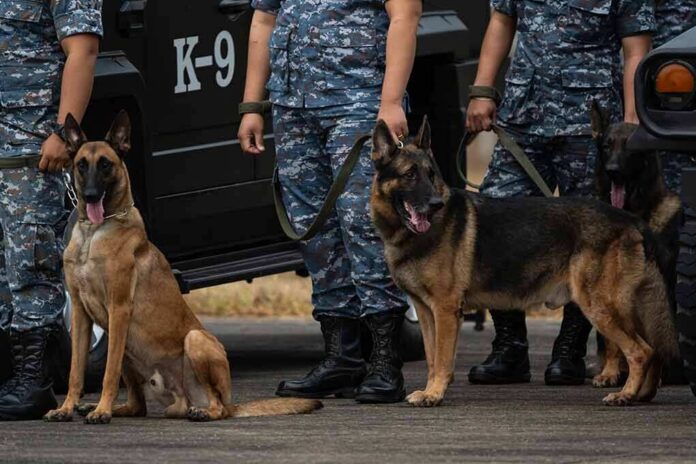
Officers began with a routine inspection of the northbound commercial truck, then noticed changes to the trailer floor, which can signal a hidden compartment. A trained canine team conducted a pass and alerted, which led officers to send the unit to secondary inspection. There, officers accessed the altered floor space and located the vacuum-sealed bricks. Field tests indicated cocaine, prompting evidence seizure and referral to federal investigators for the next phase of the probe.
Homeland Security Investigations in Buffalo received the case for further work, which can include tracing the load’s route, checking fingerprints and packaging, and coordinating with prosecutors. Officials did not release the driver’s name in the reports, a common step while agents assess charges and confirm lab results. The outlets did not cite a public complaint filing yet. That timing is not unusual in border cases where lab confirmation and interagency review can take days or weeks.
Why Northern Border Cocaine Seizures Keep Surfacing
Federal threat assessments have long said cocaine often moves north through the United States into Canada, sometimes in commercial trucks, while other drugs flow southbound. That pattern mirrors this case’s details: a tractor-trailer, a modified concealment area, and a canine-led referral to deeper screening. The Department of Homeland Security’s northern border strategy highlights canine teams and layered inspections as standard tools to find loads that try to blend into normal trade.
This hero K-9 named Star sniffed out $6 million worth of cocaine hidden under the floor of a tractor-trailer.
CBP says officers along the U.S.-Canada border discovered roughly 450 pounds of cocaine worth an estimated $6 million after noticing modifications during an inspection… pic.twitter.com/W44zDQXPs9
— Fox News (@FoxNews) September 30, 2026
Large seizures are both a win and a warning. They show that layered screening and trained dogs can punch through concealment. They also show traffickers keep adapting, including by hiding payloads in truck floors that are hard to spot during quick checks. For many readers, this fits a larger worry: systems built to guard borders and support lawful commerce face pressure from cartels and complex supply chains, while agencies work to keep up without slowing vital trade.
Sources:
facebook.com, nextnewsnetwork.com, singlinkbot.com
© totalconservative.com 2026. All rights reserved.