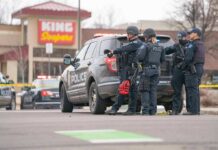
A witness says an 18-year-old dropped a plastic tub holding a human torso, then ran.
Story Snapshot
- Police arrested Kingston Bradley, 18, after a torso-in-a-tub was found at a Smyrna apartment complex.
- Charges were upgraded to malice murder after more remains tied to the victim were located, police said.
- An arrest warrant names a family member of the victim as the witness who saw the tub and the suspect flee.
- Investigators say cleaning signs, transport of remains, and follow-up searches shaped the case path.
The Torso, The Tub, The Run: What Police Say Happened
Smyrna police say a missing-persons call drew them to Park Valley Apartments, where a witness reported a man lugging a plastic tub that held a body. The man dropped it on a dirt path and ran to a nearby unit when he noticed he was seen, according to the warrant. Officers found a dismembered torso inside the tub. They arrested 18-year-old Kingston Bradley soon after and booked him into Cobb County jail without bond on a concealment charge.
Reporters later confirmed the witness was Michelle Weaver, the victim’s aunt, who had been searching the area with family. The warrant names her as the person who confronted Bradley at a door, saw him again with a container-like bundle, and watched him drop it before fleeing. Her account anchors the timeline and the physical link between the tub and the suspect at the scene, according to published summaries of the warrant.
From Concealment To Murder: Why The Charge Changed
Detectives first focused on concealment because it was visible and immediate: a torso in a tub, movement of remains, and suspected cleanup. That is how many dismemberment cases begin in public filings. After searches continued, police said they found additional remains connected to the victim, Shanteria “KT” Mosley, and raised the case to malice murder. The Smyrna Police Department announced the upgraded count on Friday, citing evolving evidence.
Prosecutors often stack charges this way to match proof as it comes in. Concealment turns on possession and handling. Murder turns on cause of death, intent, and the link to the accused. Police told reporters they were still working tool connections and lab work even as they added the homicide count. That sequencing tracks with standard forensic practice in complex body recovery cases.
Inside The Investigation: What Evidence Carries Weight
Case weight starts with two pillars: the witness ID at close range and the torso found where she says the suspect dropped the tub. Officers also described signs that a space smelled of bleach during the search phase, a detail common in cleanup attempts that courts have treated as circumstantial proof of concealment behavior when paired with remains recovery. Those facts do not convict on their own, but they put the suspect at the center of handling human remains.
🚨 This case out of Smyrna, Georgia is developing, and the arrest warrant is…a lot.
Police investigating a missing person found the dismembered torso of a woman inside a plastic storage tub Wednesday night.
According to the warrant, a witness saw 18-year-old Kingston Lammar… pic.twitter.com/kEjesaqJqK
— Clinical Menace (@clinicalmenace_) September 25, 2026
Police then tied the torso to Mosley and, they say, found more remains, which supports a murder theory and a concealment pattern. Authorities publicly named Mosley as the victim when they upgraded the charge. They also emphasized that Bradley is presumed innocent until proven guilty and that they continue to test for tools or marks that could link a weapon to the body. That next step matters for trial strength and for any death timeline.
Defense Signals, Public Demands, And The Common-Sense Test
Bradley has not given a statement to police, according to news briefings. His father, Kenneth Bradley, released a message denying any role and saying he did not know the victim or her family. That statement does not contest the core claims about the tub or the torso; it distances the father from the event. On the record so far, the strongest points still sit with the witness account and the recovered remains that police say tie back to Mosley.
American conservative values stress personal responsibility, justice for victims, and due process. The facts as charged meet the first two head-on: a young mother is dead, and signs point to a deliberate effort to hide her. The due process piece remains: a court must weigh the evidence, from the tub to any tool marks, and judge intent. On the common-sense test, running from a dropped tub with a torso looks like consciousness of guilt. A jury will decide how far that extends.
What To Watch Next: The Checks That Decide The Case
Medical examiners will lock in identity, cause, and manner of death. Forensic labs will compare cut patterns to any tool recovered. Location data, camera pulls, and trace swabs could tighten or loosen the timeline. Prosecutors will map handling, transport, and any cleanup to a murder theory. Defense counsel will test the witness view, chain of custody, and the link between handling and homicide. Those steps, not the early headlines, decide the verdict.
Sources:
nypost.com, ajc.com, abcnews.com, kktv.com, 13newsnow.com
© totalconservative.com 2026. All rights reserved.