President Trump’s announced “energy ceasefire” between Russia and Ukraine moved from headline win to confusion as both sides traded breach claims within days.
Story Highlights
- The White House said Trump and Vladimir Putin agreed to start peace talks with an energy and infrastructure ceasefire.
- Reports described a 30-day pause focused on energy sites, with Russia signaling support after the call.
- Ukraine and Russia soon accused each other of breaking the U.S.-brokered energy pause.
- Lack of public, detailed terms left timing and targets open to dispute.
What the White House and Moscow Said Happened
The White House readout on March 18, 2025 said President Trump and President Vladimir Putin agreed that a movement to peace would start with an energy and infrastructure ceasefire. That language also appeared on the United States Embassy site. Several outlets framed the step as a 30-day pause on strikes against energy targets, and reported that Putin supported the idea after the leaders’ call. These statements set an official baseline, even as details remained thin in public.
Moscow’s early signals suggested quick follow-through. Reporting said Putin responded positively to the proposal and instructed the Russian military accordingly. Russia later described covered targets such as fuel storage sites, power generation and distribution networks, and dams, and said a violation would free the other side from its duties. That description also noted a 30-day window starting March 18. These points hinted at a working framework, but they were not matched by a joint, published text.
Where the Ceasefire Started to Fray
Within days, both sides accused the other of breaking the pause. Russia said a Ukrainian drone hit an oil depot and claimed that attack already violated the U.S.-proposed ceasefire. Ukraine later said Russia damaged energy sites and continued strikes on its grid. Reuters reported Ukraine counted more than 30 attacks since March, while Russia alleged new Ukrainian strikes on Russian facilities, including at the Sudzha gas station. The result was a quick slide into claim and counterclaim.
Timing also fueled the fight. Ukraine publicly dated the energy ceasefire to March 25, not March 18, and said Russia violated it almost daily. The Kremlin said its moratorium began March 18 and that it had held fire on Ukrainian energy sites since then. With no shared, public start date and no outside monitor, each capital framed incidents to support its story. That gap made fair judgment hard for the public and allies watching from the sidelines.
Why Details and Verification Matter for Americans
Energy systems are not abstract. Power plants, substations, refineries, and gas hubs keep homes warm and factories running. A pause on attacks can lower prices, reduce blackouts, and calm global markets. But unclear terms let each side argue over what counts as an energy site, when the pause began, and what happens after a strike. The White House readout signaled intent, not enforcement rules or verification steps the public could see.
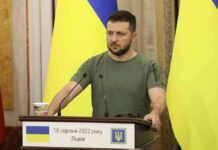
Zelensky: Today, the President of the United States issued a statement saying that an agreement has been reached on a ceasefire in the energy sector. This is good news for everyone, and it is important that this agreement becomes a reality.
Ukraine supports any genuine and… pic.twitter.com/cuvSnOaoNH
— KORRINA (@KORRINA31535546) October 11, 2026
Americans across the spectrum see a pattern here. Leaders make big claims, then the details vanish behind closed doors. That fuels the view that powerful players set narratives while the public pays for higher bills and longer wars. A workable pause needs simple rules, a common start time, and a way to check facts. Independent monitors, a shared incident log, and clear penalties can stop the spin and show whether a deal is real or just words.
What to Watch Next
Watch for release of written terms that define “energy infrastructure,” the exact start time, and the 30-day window. Look for matched orders from both militaries and any neutral tracking of strikes. If attacks on power plants and fuel sites drop well below past levels, that will suggest the pause worked despite noise. If not, expect both sides to blame each other and for markets to price in more risk. For now, the record shows an announced pause shadowed by fast, public disputes.
Sources:
facebook.com, reuters.com, nbcnews.com, abcnews.com, politico.com, apnews.com, ru.usembassy.gov, bbc.co.uk
© totalconservative.com 2026. All rights reserved.