British leaders now say Iran likely played a part in a suspected plot near a U.S.-used air base, even as police found no explosives and released suspects on bail.
Story Highlights
- Prime Minister says there are strong signs of Iranian involvement in the RAF Fairford case
- Police arrested five British men after reports of three suspicious vehicles heading to the base
- No explosives were found; a later arrest of a UK-Iranian dual national also ended in bail
- Investigators are testing multiple leads, including possible foreign-state proxies
What Triggered The Arrests Near RAF Fairford
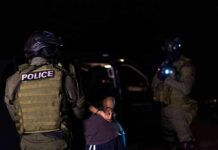
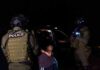
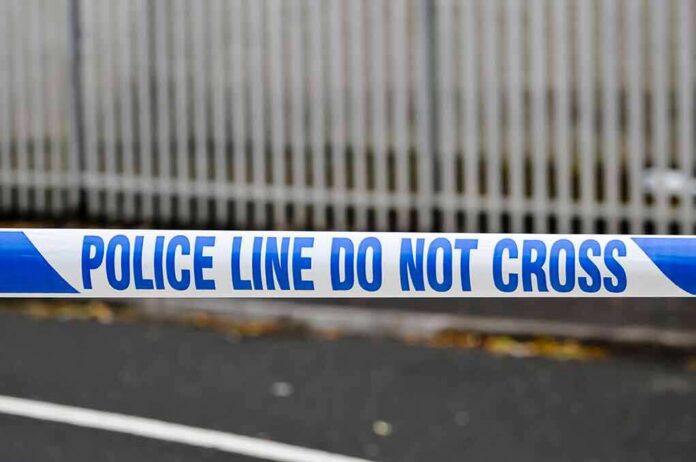
Gloucestershire police said a late-night tip about three suspicious vehicles moving toward Royal Air Force Fairford set the response in motion on September 27. Officers arrested five British men in their twenties on suspicion of explosives and terrorism offenses near the base, which supports United States operations. The government later described the episode as a serious incident. The base and nearby homes saw security measures and disruption as the search widened overnight and into the next day.
Counterterrorism officers then took charge of the probe. They interviewed the men and searched vehicles and locations. Police later said they found no explosives. They did recover petrol, which raised concern about intent but did not prove a bomb plot. After “extensive interviews and enquiries,” the five were released on bail with conditions. Officials stressed the men remain under investigation on suspicion of preparing a terrorist act.
Why The Iran Question Is Front And Center
Prime Minister Andy Burnham told broadcasters there are strong indications that Iran played a part in what happened at RAF Fairford. His statement aligned with broader security concerns about foreign-directed threats. British authorities have hinted at a possible Iranian link, while keeping the specific basis for that assessment under wraps, citing the active investigation. Iran has publicly denied any role and called the claims unfounded and harmful propaganda.
Investigators say they are following multiple lines of inquiry, including whether proxies or individuals worked knowingly or unknowingly on behalf of a foreign state. That framing matches recent British security warnings about state-linked plots. A separate arrest of a twenty-five-year-old United Kingdom–Iranian dual national on suspicion of preparing terrorist acts showed the inquiry widening. He was also released on bail while checks and forensic work continue.
What We Know, What We Do Not, And Why It Matters
Police have not filed charges in court, and they have not presented public evidence tying the suspects to a foreign government. Officials say no explosives were found, which leaves key questions about motive and capability. The government’s stated belief in Iranian involvement is notable, but the case is still open. That gap between intelligence signals and courtroom proof is common in early national security probes, which can take weeks to firm up.
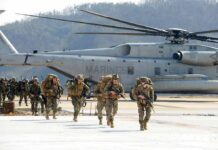
The United States has confirmed that all B-1 bombers deployed to RAF Fairford have been withdrawn and returned to their home stations, following what officials described as an unspecified new threat against the British airbase.
A Pentagon official said operational security had…
— Bizna Kenya (@biznakenya) October 6, 2026
This case touches shared concerns across the political spectrum. People want safety without secret state power that escapes oversight. Voters in both parties worry that elites manage crises from behind a curtain, while the public gets partial facts and lingering risks. Here, the public saw swift arrests, a strong hint at a foreign hand, and then bail and silence. Clear, timely disclosures—without risking the probe—would help restore trust in institutions tasked with protecting the country.
Sources:
townhall.com, bbc.com, abc.net.au, npr.org
© totalconservative.com 2026. All rights reserved.