Italy moved to send 500 soldiers to Milan after two days of clashes, looting, and shop closures, signaling a sharp turn toward visible force to contain unrest.
Story Snapshot
- Government plans 500-soldier deployment to bolster security in Milan.
- Clashes left dozens injured; about 50 young people were arrested, many minors.
- Cabinet expected to grant temporary policing powers to soldiers.
- Officials fear renewed protests could spread the violence.
What Triggered the Deployment
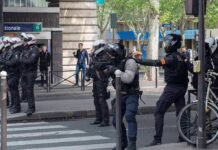
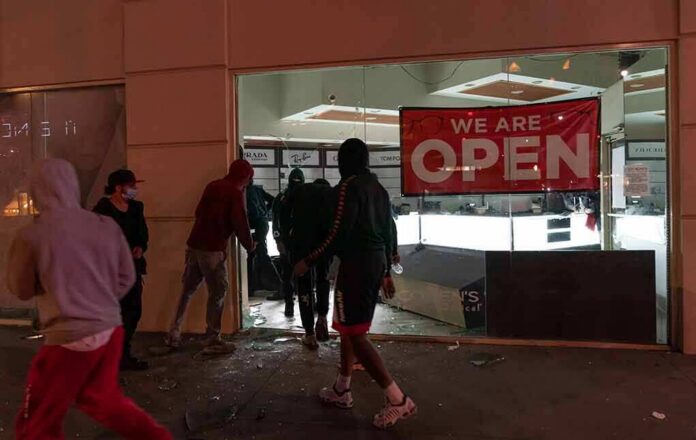
Reuters reported that weekend unrest in Milan led to looted shops, vandalism, and clashes with police. Luxury retailers in the city center closed as a precaution. Deputy Prime Minister Matteo Salvini said 500 soldiers would “defend Milan.” Prime Minister Giorgia Meloni condemned the violence and met with ministers and security leaders. The government framed the move as a fast response to restore order and deter new attacks on businesses and public spaces.
German outlet Deutsche Welle, citing Italy’s ANSA news agency, said police arrested about 50 youths in Milan, about half minors. The report said four police officers and 20 demonstrators were injured. Those numbers underline a sharp, concentrated burst of disorder rather than a citywide breakdown. Accounts differ on totals across outlets, but all describe arrests, injuries, and damage that shook Milan’s retail core and strained police resources during the weekend.
What the Government Says It Will Do Next
CTV News reported that the cabinet was expected to approve the deployment and give the soldiers temporary policing powers. Salvini described the measures as immediate. That suggests troops could support patrols, guard key sites, and free police for crowd control. Reports also said the 500 would reinforce the existing Safe Streets operation, which already fields thousands of military personnel for public security missions across Italy.
Authorities also warned of fresh demonstrations planned for Saturday. They fear unrest could spread if not contained. That risk calculus explains why the state wants a bigger presence in Milan now, not after more violence. The move aims to deter follow-on looting, backstop local police, and reassure businesses that the downtown area is safe to open again. The strategy bets that visible force will prevent escalation.
How This Fits Long-Running Security Tradeoffs
Governments face a familiar problem during protests: stopping a small number of violent actors without turning peaceful crowds into new flashpoints. Research on crowd violence finds that only a small share in any protest engages in attacks or looting. Tactics and police-crowd interactions often drive escalation or calm. That evidence base urges targeted responses and communication-heavy policing alongside firm action against offenders.
👁️ “from words to deeds” & “from words to actions”https://t.co/g66zVKl6Ox
>Italian Prime Minister Giorgia Meloni has deployed the Italian army in response to the violent riots sweeping through Italy.
>According to The Independent, the Italian government will deploy 500… pic.twitter.com/cyBN0Aem8q— 👁️BigBroKnows👁️ (@panos941) October 20, 2026
Italy’s plan reflects that tension. Troops may help protect storefronts and transit hubs while police focus on arresting those who break the law. At the same time, any force that feels broad or heavy-handed can harden anger and pull in more youths. Officials appear to be threading that needle by adding capacity and, according to reports, defining legal powers. The coming days will test whether this approach cools Milan’s streets or risks further clashes.
What We Know and What to Watch
Key facts are clear: Milan saw clashes, looting, and injuries; leaders plan to send 500 soldiers; and fears of new protests pushed fast action. Reports note the cabinet still needed to finalize the legal instrument and any policing powers for the troops at the time of reporting. Watch for the formal decree, deployment timing, and where soldiers post. Also track arrest data and injury counts after the deployment to gauge real-world impact.
Sources:
insiderpaper.com, reuters.com, dw.com, yahoo.com, en.annahar.com
© totalconservative.com 2026. All rights reserved.