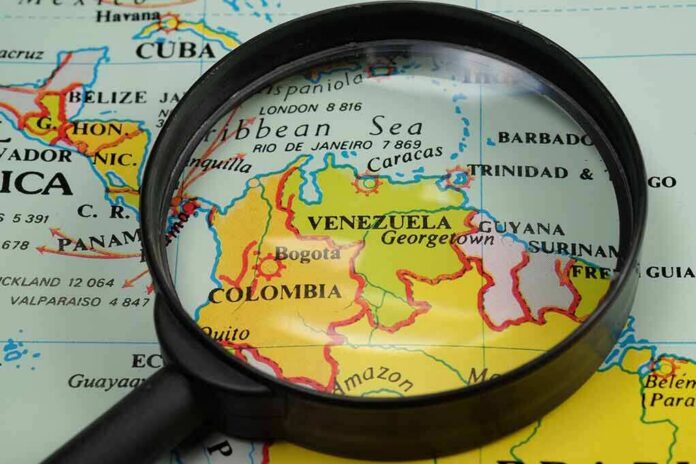
María Corina Machado just walked back into Venezuela after months of blocked attempts, testing Washington’s influence and Caracas’s claims about basic political rights.
Story Snapshot
- Machado returned to Venezuela after authorities reportedly blocked earlier tries, drawing global attention.
- The 2024 vote remains disputed: the opposition says Edmundo González won big; officials declared Nicolás Maduro the winner.
- U.S. Secretary of State Marco Rubio recognized Machado’s right to return and denied any U.S. role in blocking her.
- The Carter Center says the 2024 election did not meet democratic standards, heightening pressure on all sides.
What Happened: A Return With High Stakes
Venezuelan opposition leader María Corina Machado returned to her country after months in exile. News reports say she tried to come back several times, including attempts that ran into denied flights and permits. Her team described multiple blocked entries across late summer and early fall. The government has publicly rejected claims that it barred her, even as the failed attempts piled up. The latest arrival resets the fight over voice, rights, and power inside Venezuela’s tense political scene.
United States officials weighed in before and after her return. Secretary of State Marco Rubio said she has the right to enter Venezuela and urged guarantees for her safety. He also denied that the United States asked any country to stop her travel. Those comments matter because some reports floated foreign pressure claims. Rubio’s denial undercuts that idea and shifts the focus back to actions by Venezuelan authorities and aviation actors on the ground.
The Election Dispute Behind the Drama
The 2024 presidential race set the stage for this moment. The opposition says precinct-level tallies show Edmundo González Urrutia, whom Machado backed, won by a wide margin. Venezuela’s election authority announced a different result and said President Nicolás Maduro prevailed. That gap is not a small error; it is a different story of who leads the country. The Congressional Research Service documented both claims, cementing the basic record of a deep split over the vote.
Independent observers have flagged major process problems. The Carter Center said the election failed to meet international standards and could not be considered democratic. The group also criticized the absence of full polling-station results, which blocked outside checks. That finding does not resolve who won, but it highlights weak transparency and controls. When a state withholds key records, people on the left and right see a system serving itself instead of the public it is supposed to serve.
Why It Matters in Washington
Machado’s return confronts the White House with hard choices. United States leaders have signaled support for civil rights and fair elections while trying to avoid steps that deepen hardship for everyday Venezuelans. Clear support for her right to enter is easy to state. Turning that stance into results is harder, especially if Caracas leans on airlines, airports, or permits that sit outside easy public view. That gray area lets powerful actors shift blame and dodge clear accountability.
For Americans who worry about elite power and closed systems, the case feels familiar. A disputed vote, missing public data, and a political figure facing travel barriers point to institutions that answer to insiders. Conservatives see echoes of globalist deals that ignore citizens. Liberals see civil rights squeezed by the state. Both sides see a process that hides the receipts. When basic facts live behind locked doors, trust dies and the public pays the price.
What to Watch Next
Watch whether Venezuela publishes full polling-station results and allows open audits. Look for clear, on-the-record explanations for past travel denials, including airline and aviation documents. Track whether Caracas respects Machado’s freedom of movement and speech now that she is home. Follow how the United States and regional partners press for transparency without fueling wider harm. These steps are not abstract. They are the building blocks of consent, legitimacy, and a path out of crisis.
Sources:
inquirer.com, congress.gov, efe.com, kansas.com
© totalconservative.com 2026. All rights reserved.