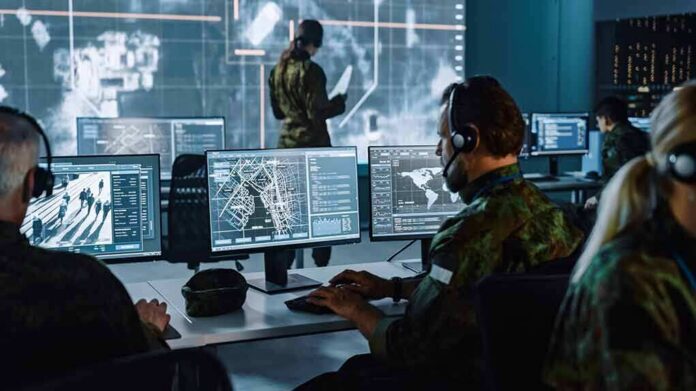
The Pentagon just banned troops and civilian staff from using any nonpublic military information to bet on combat operations, warning that even a small wager can tip off foreign spies.
Story Snapshot
- Defense Secretary Pete Hegseth barred Defense Department personnel from using nonpublic info to bet on U.S. operations.
- The memo warns that trades can create a “signal” enemies study to predict plans and timing.
- The rule covers classified and unclassified nonpublic details and names Polymarket and Kalshi.
- Congressional allies have pushed similar limits and penalties in defense bill drafts.
What Hegseth Ordered And Why It Matters
Defense Secretary Pete Hegseth issued an October 20 memo to senior leaders and combatant commanders. He banned personnel from using classified or unclassified nonpublic information to place bets on U.S. military operations. The memo cites a clear risk. When someone with access places a trade on a specific operation, that act can create a signal. Foreign intelligence services watch those markets and can infer plans, targets, or timing from unusual activity, the memo warns. CBS News reported the order names Polymarket and Kalshi.
The directive stretches beyond secrets with classification marks. It covers unclassified information that is still not public. That matters because many operational details that could aid an enemy may not be formally classified. The order also warns that violators could face administrative or criminal action, though the report does not list the exact legal hooks. The memo aims to stop a leak before it starts by removing a financial lure that can be seen on-chain or on platform order books.
How Congress Is Moving In Parallel
Lawmakers from both parties have pushed guardrails that mirror the Pentagon’s step. A bipartisan letter led by Representative Eugene Vindman in May urged a ban for service members and Defense Department civilians on betting tied to national security. The letter pressed for enforcement under the Uniform Code of Military Justice. Draft House Armed Services Committee language would also restrict trading on nonpublic information and set penalties. It defines nonpublic to include unclassified but unavailable facts.
Supporters say clear, written limits close a gap before harm occurs. Critics of prediction markets have pointed to suspiciously timed trades around global events. They argue these markets invite insider trading and could let people profit from war. While the draft bill’s broad “nonpublic” scope may be hard to administer, backers see it as the only way to cover real-world leaks that do not carry stamps but still reveal plans. CNN described this broader reach in the committee draft.
What We Know And What We Do Not
The reporting does not identify a named case where a Defense Department insider bet on an operation and exposed it. The memo frames the risk as urgent and plausible, not as a proven incident. That absence of a public case makes some ask if older ethics rules were enough. Still, the Defense Department argues betting can send a visible signal that foreign services can track, and that risk alone justifies the ban. CBS News summarized the memo’s logic and scope.
Separate reporting says limits before this move were thin, and that public trades can hint at timing for raids or strikes. Commentators also warned that someone with inside access could try to shape an event to secure a payout. These concerns show why many on the right and left are uneasy. People see a system where profit can come before duty, and where a few clicks can undercut troops in the field. Federal News Network outlined these risks and incentives.
Why This Hits A Nerve Across The Aisle
Prediction markets promise sharper forecasts by pooling many views. But national security is different. Here, the price is not the only signal. The trade itself can be the tell. That is why a narrow ethics fix may not be enough. The Pentagon’s ban and the parallel bill try to wall off sensitive information from markets built for speculation. For readers who worry that Washington protects insiders, this move aims to remove one path to profit at the public’s expense.
What To Watch Next
Watch for the release of the full memo text and any service-level rules that explain enforcement. Look for clarity on how “unclassified nonpublic” will be defined in practice, what proof will be needed, and how platforms will share data. Track whether Congress passes a defense bill that locks in penalties and standards across the force. Finally, note whether any inspector general reports confirm insider betting cases or show that the new ban changes behavior on these markets.
Sources:
cbsnews.com, vasquez.house.gov, cnn.com, freshfields.com
© totalconservative.com 2026. All rights reserved.