Michigan’s Senate race now turns on a hard fact: if Abdul El‑Sayed wins, he gains structured access to classified briefings that come with the job.
Story Snapshot
- El‑Sayed’s critics cite past appearances with controversial figures and his foreign‑policy views to question his judgment.
- His campaign and fact‑checkers say he has denounced terrorism and has no ties to extremist groups.
- Members of the Senate access classified information under chamber rules, while staff must hold clearances and follow strict briefings.
- The clash reflects wider voter concern that Washington’s systems protect insiders more than the public.
What Critics Say About El‑Sayed’s Associations
Fox News Digital reported that El‑Sayed was introduced at a rally by a man who had praised dead members of Hezbollah as “martyrs,” and later appeared at a mosque opening alongside a cleric accused of praising Hamas and minimizing Holocaust deaths. The Washington Free Beacon also highlighted the mosque event and other remarks that fueled backlash among opponents. These incidents anchor claims that his associations raise questions about judgment if he is elected to a post that receives classified briefings.
El‑Sayed’s critics also point to comments about terrorism and U.S. foreign policy. A resurfaced clip shows him arguing that while force can be necessary against terrorist groups, leaders should also ask why extremism grows in the first place. Supporters frame this as a standard policy view. Opponents argue that such framing risks moral fog at a time of high threat. The disagreement feeds a larger culture fight over how leaders discuss national security tradeoffs.
How El‑Sayed and Fact‑Checkers Respond
Bridge Michigan reported there is no evidence that El‑Sayed has ties to the Muslim Brotherhood or pledged support to it, countering a viral claim. FactCheck.org wrote that El‑Sayed said the 2001 terrorist attack on the United States was not justified, undercutting suggestions he excused it. On the trail and in media clips, he invites dialogue over his foreign‑policy views and stresses that policy disputes should not be read as sympathy for hostile actors.
His campaign says cherry‑picked quotes from old appearances do not show his current beliefs and that he unequivocally denounces terrorism. That line aims to separate hard policy debates over aid to foreign militaries from questions about basic loyalty or fitness for duty. The record, as presented by fact‑checkers and his own remarks, supports a stance of condemnation of terrorism while favoring a less interventionist U.S. posture.
What “Classified Access” Actually Means for a Senator
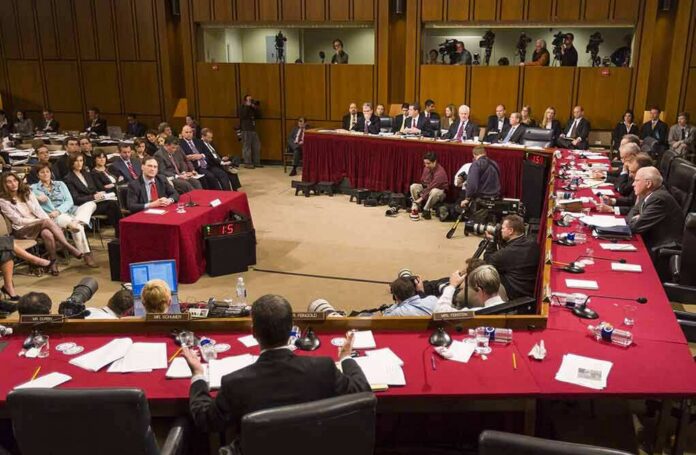
Congress runs its own system for handling secrets. Senators, by virtue of office, can receive classified information, but most work flows through cleared staff who must complete security vetting and regular briefings under Senate rules. Committees set extra rules for the most sensitive material. The Senate Intelligence Committee limits certain access, and many members who are not on that panel do not see the most protected information day to day.
Abdul El-Sayed could become eligible for access to classified information if elected in November.
— Vera Eyzendooren (@AlwaysRightUSA) September 21, 2026
This structure matters for voters. Campaign attacks often imply a single “clearance” switch that turns on the day someone is sworn in. In reality, access depends on need to know, committee roles, and strict handling by cleared aides who sign nondisclosure agreements and receive training. That does not erase risk. It does show that the institution uses layers to reduce it. Voters weighing fitness should factor both the rules and the record into their decision.
Why This Fight Resonates Beyond One Race
Americans across the spectrum worry that insiders protect each other while working families pay the price. When campaigns blur policy arguments into security smears, trust erodes more. When candidates share stages with people who praise terror groups, trust erodes too. Both patterns fuel anger at a system seen as sloppy with judgment and light on accountability. Clear rules and transparent records are the antidote, not viral claims or tribal spin.
Sources:
facebook.com, foxnews.com, notus.org, nrsc.org, en.wikipedia.org, latimes.com, dailysignal.com, factcheck.org, bridgemi.com, abcnews4.com
© totalconservative.com 2026. All rights reserved.