The Trump administration froze Microsoft’s path to sponsor new green cards after layoffs overlapped with thousands of foreign-worker filings, intensifying a national fight over who gets high-paid tech jobs.
Story Snapshot
- The government suspended Microsoft, Adobe, and other large tech outsourcers from the labor-certification step for green cards.
- Vice President JD Vance said Microsoft cut 6,000 U.S. jobs while benefiting from 6,300 H-1B visas and nearly 3,000 green cards.
- Officials linked the suspensions to active fraud-and-abuse probes, including in labor certification and H-1B programs.
- Microsoft says staffing choices are driven by business needs, not visa status, and no public case file has been released.
What The Government Actually Did
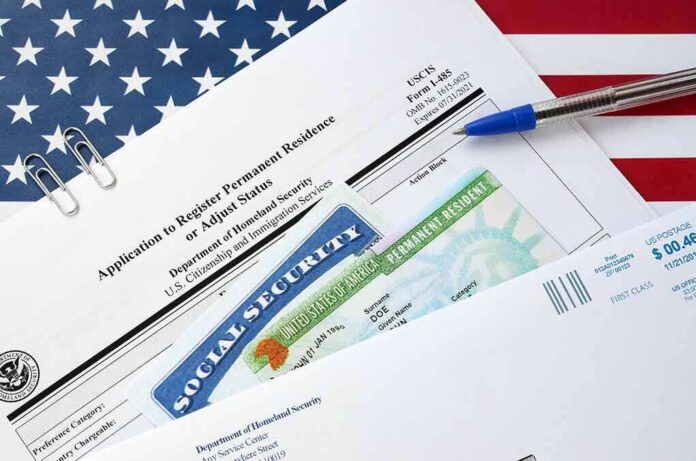
On October 8, the administration said it would not accept new or process pending labor certifications for Microsoft, Adobe, and several major information technology outsourcing firms. That certification step, often called Program Electronic Review Management, is the gateway most employers must clear before they can sponsor workers for employment-based green cards. Officials framed the move as an enforcement action, not a policy debate, and tied it to ongoing investigations into alleged abuse of labor and visa systems.
Vice President JD Vance argued the action was needed to protect American workers. He said Microsoft laid off 6,000 U.S. employees while reaping 6,300 H-1B visa approvals and almost 3,000 green cards during the same period. He also claimed thousands of Microsoft labor-certification filings overlapped with job categories held by those who lost work, suggesting the company sought to refill similar roles with sponsored workers after layoffs. The government did not release underlying case files with the announcement.
Why PERM Matters In This Fight
Labor certification exists to test the job market before a company sponsors a foreign worker for permanent residence. Under the rules, an employer must show there is no qualified, able, and available U.S. worker for the specific role and that hiring a foreign worker will not harm U.S. labor standards. Without an approved certification, an immigrant petition cannot move forward for most job-based green cards. That is why suspending access to this step can bite quickly in fields that rely on steady sponsorship flows.
These suspensions signal a tougher stance toward firms that cut U.S. jobs while pursuing large-scale sponsorships. Officials said the Department of Labor and other agencies have active investigations into fraud and abuse tied to both the H-1B visa program and labor certification processes. The action also reaches several big information technology outsourcers, not just Microsoft, which broadens the labor and political stakes across the tech sector. Still, the suspensions are administrative measures, not findings of liability in court.
What We Know, What We Do Not
The administration’s numbers and charges came from public remarks and briefings rather than published audits. The government has not released investigative files, audit reports, or charging documents that would let the public compare layoff roles with the certification and visa filings job by job. That leaves a major evidence gap for now. The absence of those records does not disprove the claims, but it limits what outsiders can verify today.
A lot of wrong information is going around about tonight's US news. Here is what actually happened, in simple words.
The US Labor Department has suspended 8 companies from something called the Permanent Labor Certification programme, also known as PERM. The 8 are TCS, Infosys,… pic.twitter.com/eDgYFomjCh
— Sann (@san_x_m) October 8, 2026
Microsoft has pushed back on the narrative that visas drove layoffs. A company spokesperson said staffing decisions reflect business needs, not immigration status. Past Microsoft statements have said the company hires foreign workers when special skills are needed or when qualified U.S. workers are not available, which mirrors the law’s test for sponsorship. The Justice Department also reached a 2021 settlement with Microsoft over separate hiring-document issues, showing compliance systems do get scrutiny and can change over time.
Why This Resonates Beyond Tech
This clash taps into a broader worry that powerful players bend rules while regular workers pay the price. Many Americans see a system where companies cut staff, lobby for visas, and then claim there are no qualified U.S. workers. Others warn that blocking sponsorships during a skills race will slow innovation and push investment overseas. Both views point to a federal system that often feels opaque and unaccountable, especially when key evidence stays behind agency walls.
What To Watch Next
Watch for formal notices from the Department of Labor, the scope and length of the suspensions, and any legal challenges from the companies. Look for the release of inspector general findings or referrals that detail alleged fraud patterns, and whether prosecutors bring cases. Track if the government narrows the suspensions, expands them to more firms, or sets new rules for layoffs during sponsorship. The core test is simple: match roles, wages, and locations to see if U.S. workers were actually displaced.
Sources:
youtube.com, timesnownews.com, etnownews.com, newsquawk.com, nypost.com, ground.news, bhaskarenglish.in, mercurynews.com, dailysignal.com, justice.gov
© totalconservative.com 2026. All rights reserved.