Jury selection opened in Las Vegas for the first-ever murder trial tied to Tupac Shakur’s 1996 killing, built largely on the defendant’s own past words.
Story Snapshot
- Duane “Keffe D” Davis faces a murder charge with a gang enhancement; he pleaded not guilty.
- Prosecutors say Davis organized the attack and provided the gun, not that he fired it.
- A judge allowed a 2008 police interview into evidence, adding to memoir and interview admissions.
- The case lacks a recovered weapon or car, raising questions about proof after 30 years.
What Started Today In Court
Clark County launched jury selection in the murder trial of Duane “Keffe D” Davis, the man accused of organizing Tupac Shakur’s fatal shooting near the Las Vegas Strip in 1996. Prosecutors charge Davis with murder with a deadly weapon to promote or assist a criminal gang. Davis has pleaded not guilty and says he did not order the killing. The court seated potential jurors and began questions about media exposure and the decades-long delay.
The state’s theory centers on command responsibility. Prosecutors say Davis acted as the organizer and supplied the gun used in the drive-by shooting, even if he did not pull the trigger. Nevada law allows a murder conviction for someone who aids and abets or directs a killing tied to gang activity. That structure lets the jury weigh planning and supply roles rather than only the shooter’s identity. The defense says these claims overreach and lack hard proof.
The Unusual Evidence Mix
The proof is expected to lean on Davis’s own statements over the years. Reports say a judge ruled that a 2008 police interview can be used at trial. Prosecutors also plan to reference Davis’s memoir and media interviews, where he placed himself at the scene and discussed details of the gun and car occupants. The defense argues these accounts were entertainment, edited, or misunderstood. The jury must judge how much weight to give those words.
Physical evidence is thin. The murder weapon and the Cadillac linked to the shooting have not been recovered. No public record shows DNA or other forensic links that tie Davis to the gun or car. That gap makes the case a test of narrative proof versus lab proof. It also raises fair questions most readers share: Why did it take so long, and can old stories beat missing physical items in a court of law after thirty years?
How A 1996 Brawl Became A Motive
Prosecutors connect the shooting to a fight at the MGM Grand earlier that night. They say tensions after that casino altercation set a revenge chain in motion on Las Vegas streets. The state claims Davis helped direct the response and enabled the gun handoff that led to the attack on the black BMW carrying Shakur and Death Row Records head Marion “Suge” Knight. That motive line gives jurors a clean timeline to test against the admissions and any witness accounts.
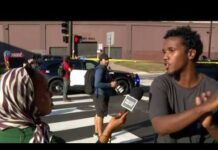
An eclectic group of people gathered at the Regional Justice Center in Las Vegas on Monday as the murder trial of a man accused of orchestrating the slaying of rapper Tupac Shakur began with jury selection.
STORY: https://t.co/Q0Ceq1s37Y pic.twitter.com/TaHPfbJnJ3— Las Vegas Review-Journal (@reviewjournal) August 10, 2026
The defense plans to push on credibility. Lawyers say prior statements were inconsistent, hyped for money, or pulled from interviews where Davis thought he had protections. They also plan to stress the missing gun, dead or absent witnesses, and memory decay over decades. Those are classic cold-case problems. The court will set guardrails on what jurors hear about gangs, prior acts, and media clips, so the verdict turns on allowed evidence, not headlines.
Why This Case Resonates Beyond Hip-Hop
This trial shows how cold cases often move without fresh lab tests. Investigators turn to old interviews, memoirs, and recordings when physical items are gone. That approach concerns many Americans who already distrust institutions. People on the right and left worry about systems that feel slow, selective, and driven by media pressure. This case asks a basic question: can the justice system deliver clarity after thirty years, using words more than objects?
Sources:
en.wikipedia.org, usatoday.com
© totalconservative.com 2026. All rights reserved.