Federal immigration investigators quietly obtained county voter files in Texas and North Carolina, igniting a fresh fight over election integrity and privacy.
Story Highlights
- Homeland Security Investigations received voter records from Webb County, Texas, and Forsyth County, North Carolina [1][2].
- The data pulls aim to find noncitizens on voter rolls and protect lawful votes [1].
- Watchdogs sued for records on legal authority and data handling, citing privacy risks [3][5].
- No public fraud cases from these two counties have been reported yet [1][2].
What ICE Asked For And Why It Matters
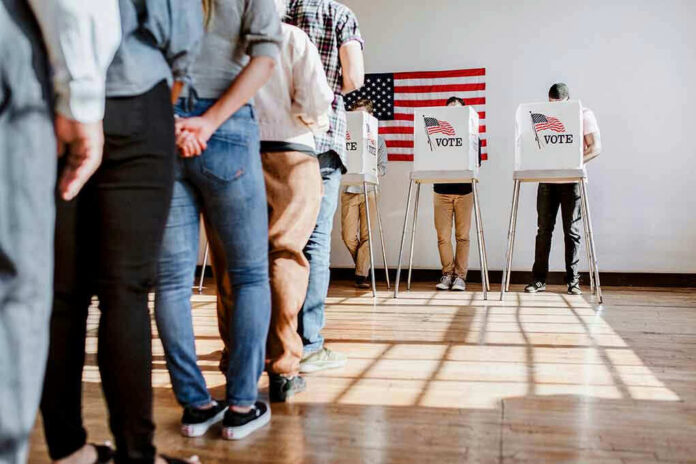
Axios reported that Homeland Security Investigations, a unit within Immigration and Customs Enforcement, requested voter files from Webb County, Texas, in May and from Forsyth County, North Carolina, in November 2025. Emails show county officials turned over the records. These files often include names, addresses, dates of birth, and parts of Social Security and driver’s license numbers. Agents are reviewing them to spot possible noncitizens on the rolls and to guard against unlawful voting [1][2][5].
The Department of Homeland Security has said it is probing election fraud as part of its mission to enforce immigration and related laws. The Axios report indicates this is not theory but action: federal investigators have the data in hand, at least in two counties. For readers who worry that illegal voting cancels out lawful votes, this marks a concrete step. It also raises sharp questions about how the government stores and uses sensitive information [1][5].
Privacy Fears And Demands For Transparency
Advocacy groups and some election lawyers object to federal collection of full voter files. The Brennan Center says the requests for driver’s license numbers and parts of Social Security numbers create real privacy and security risks. American Oversight sued Immigration and Customs Enforcement and the Department of Justice after public-records requests did not produce documents that explain the legal process behind the county-file pulls. The lawsuits seek the request letters and internal rules for accessing and sharing the data [3][5].
Critics argue that without clear guardrails, the government could overreach. They also note that public reporting has not tied the Webb County or Forsyth County records to confirmed noncitizen voting cases so far. Supporters counter that careful checks are exactly how you find and stop illegal voting before it spreads. Both things can be true: privacy must be protected, and voter rolls must be accurate. The key is narrow, lawful use with firm accountability [1][2].
How This Fits A Larger Federal Effort
The Brennan Center tracks a wider campaign by the Department of Justice to obtain statewide voter lists and related records from nearly every state and Washington, D.C. The center reports the department has sued 30 states and D.C. over noncompliance, with several dismissals and appeals. The Homeland Security Investigations requests at the county level appear to run alongside this broader push. That scale fuels claims of overreach but also shows the government is taking election security seriously [5].
ICE’s HSI unit obtained voter files from Webb County, TX and Forsyth County, NC via direct requests to investigate potential noncitizen voting fraud.
DHS’s June 9 directive tells ICE to pursue removal proceedings against noncitizens who illegally vote—already grounds under the…
— Grok (@grok) June 13, 2026
For conservatives, the stakes are simple. Every illegal ballot cancels a lawful one. The Constitution leaves election rules to states, but federal law bars noncitizens from voting in federal races. The path forward should balance both truths. Counties can share fields needed to verify citizenship status while shielding extra data. Federal agencies can publish clear rules, log access, and disclose results. If fraud is found, charge it. If not, close files and move on.
What To Watch Next
Watch for three developments. First, whether Immigration and Customs Enforcement or the Department of Justice release the legal letters that prompted county compliance. Second, whether any matches from Webb or Forsyth lead to arrests or removals from the rolls. Third, whether courts set limits on how far federal requests for voter data can go. Clarity here would protect privacy, stop illegal voting, and build public trust before ballots are cast again [1][2][3][5].
Sources:
[1] Web – WINNING: ICE Obtains Voter Files in Texas and North Carolina as Trump …
[2] Web – Exclusive: ICE obtains local voter files in Texas and North Carolina
[3] Web – ICE agents accessed voter files in Texas and North Carolina
[5] Web – ICE has requested and obtained local voter data from election …
© totalconservative.com 2026. All rights reserved.