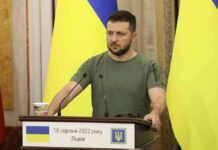
A one-week pause over Kyiv sounds like mercy, but it also works like a stopwatch for everyone headed into peace talks.
Story Snapshot
- The Kremlin says Vladimir Putin accepted Donald Trump’s personal request to halt airstrikes on Kyiv until February 1, 2026.
- The pause is narrow and temporary, tied to upcoming trilateral talks in Abu Dhabi rather than a full ceasefire.
- Volodymyr Zelensky answered with a conditional offer: Ukraine pauses strikes on Russian energy infrastructure if Russia reciprocates.
- Extreme cold is looming, and energy outages have left Kyiv residents vulnerable, but the Kremlin avoided linking the pause to weather.
A pause that measures intent, not trust
The Kremlin’s confirmation sets a specific, testable claim in the middle of a messy war: no airstrikes on Kyiv until Sunday, February 1. Putin’s agreement, delivered through spokesman Dmitry Peskov, frames the move as a goodwill gesture meant to “make negotiations hospitable” ahead of trilateral talks in Abu Dhabi with U.S., Russian, and Ukrainian delegates. That framing matters because it quietly avoids promising anything beyond the capital or beyond the week.
Donald Trump publicly described the request a day earlier, telling aides he asked Putin to hold off because of extreme cold and the human consequences of losing heat. The Kremlin’s refusal to emphasize the weather creates the first open loop: is this pause humanitarian restraint, political theater, or a tactical reset before the next phase of strikes? The answer depends on what happens after the clock runs out, not what anyone says today.
Why Kyiv matters: symbolism, logistics, and leverage
Kyiv is more than a city; it’s the war’s political nerve center. A pause over the capital signals restraint without requiring Russia to reduce pressure elsewhere, which may help Moscow appear cooperative while retaining leverage on other fronts. The last large-scale strike on Kyiv reportedly occurred January 23–24, and the week since has lacked unusually large attacks. That pattern makes the announcement easier to sell as “already happening,” which is precisely how diplomacy often borrows momentum.
Trump’s approach leans on personal, leader-to-leader persuasion instead of slow institutional choreography. From a conservative, common-sense angle, direct diplomacy can be effective when it produces verifiable results: fewer missiles, fewer civilian casualties, and a clearer negotiating channel. The risk is equally obvious: a personal request can be reversed just as personally, with no durable enforcement. A one-week lull can become a talking point without becoming a turning point.
Zelensky’s conditional offer: energy strikes as the real bargaining chip
Zelensky’s response didn’t mirror Kyiv’s protection; it targeted energy infrastructure, the war’s pressure valve since late 2022. He said Ukraine would pause attacks on Russian energy facilities if Russia stops striking Ukraine’s energy grid. That is a sharper, more strategic proposition than it looks. Cities can endure fear; they struggle to endure cold apartments, shuttered hospitals, and failing logistics. When power goes out in winter, the front line effectively moves into civilian living rooms.
The energy dimension also exposes a hard truth about “goodwill.” Real goodwill would address the systems that keep civilians alive: electricity, heat, water, transport. Zelensky’s condition tries to pull the conversation toward mutual restraint where it counts. The Kremlin’s announcement, by contrast, isolates Kyiv. If Russia keeps hitting Ukraine’s energy infrastructure outside the capital, a “Kyiv pause” becomes a narrow headline that doesn’t stop the broader suffering—and that distinction will shape public support on all sides.
The Abu Dhabi talks and the politics of a short fuse
The scheduled Abu Dhabi talks arrive with low trust and high stakes, and the pause functions like an admission ticket. Moscow gets to show up saying it complied with a request; Washington gets to claim it can still move the needle; Kyiv gets a temporary reduction in risk over its capital and a platform to push for a broader energy ceasefire. The short deadline forces urgency, but it also invites gamesmanship: any side can wait, posture, and blame the other once the week ends.
Americans over 40 have seen this pattern in other conflicts: short pauses that lubricate talks, followed by “unfortunate” escalations that someone insists were unavoidable. The common-sense question is not whether leaders can announce restraint, but whether they can sustain it when it costs them something. If Russia gains time to reposition or replenish while keeping its strategic options intact, the pause serves Moscow more than civilians. If Ukraine gains heat stability and negotiating space, it serves Kyiv.
What to watch before and after February 1
Verification will hinge on specifics the public rarely gets in real time: whether drones or missiles still strike near Kyiv, whether Russia shifts attacks to “various towns” while claiming compliance, and whether Ukraine’s energy-strike restraint actually triggers reciprocal behavior. Peskov’s careful language about negotiations, not weather, suggests Moscow wants credit for diplomacy, not pity for humanitarian concerns. That tells readers to watch actions, not adjectives, as the cold snaps and the talks begin.
Kyiv (Ukraine) (AFP) – The Kremlin on Friday said President Vladimir Putin had agreed to stop striking Kyiv for a week — ending Sunday — following a request by his US counterpart Donald Trump. Trump https://t.co/ZZCz4T3mYL pic.twitter.com/yOjpb5CBLY
— zeta panama (@zetacompa) January 30, 2026
If the pause holds and expands, it could become a template: narrow, verifiable steps that reduce civilian harm while testing whether any agreement can survive the next news cycle. If it collapses on February 1 with renewed barrages, it will confirm what skeptics already suspect—that “goodwill gestures” can mask tactical timing. Either way, the week-long gap over Kyiv isn’t the end of the story; it’s the pressure gauge for what comes next.
Sources:
Kremlin Agrees to Pause Airstrikes on Kyiv Until Sunday