
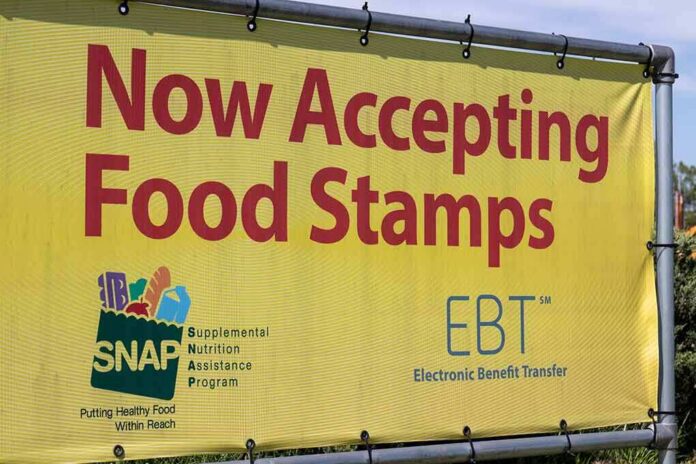
USDA just moved to shut a loophole that let people qualify for food stamps through noncash perks, projecting $44.6 billion less in payouts over five years.
Story Snapshot
- USDA proposed a rule to narrow broad-based categorical eligibility in SNAP, now open for public comment.
- The plan targets noncash Temporary Assistance for Needy Families services that currently trigger SNAP eligibility.
- USDA estimates $44.649 billion in reduced federal SNAP transfers from 2027 to 2031.
- The agency projects 6.3 million people would lose SNAP in fiscal year 2029 under federal income and asset limits.
What The USDA Proposed And Why It Matters
United States Department of Agriculture officials proposed a formal rule to reform how people become eligible for the Supplemental Nutrition Assistance Program, also known as food stamps. The rule would end the use of noncash or in-kind services funded by Temporary Assistance for Needy Families as a shortcut to SNAP. It would limit categorical eligibility to households receiving defined Temporary Assistance for Needy Families assistance. USDA says this creates more uniform rules across states and aligns SNAP with federal limits.
The current pathway, known as broad-based categorical eligibility, lets states connect SNAP to a wide range of Temporary Assistance for Needy Families-funded services. Those services can include child care, job training, and even informational materials in some cases. The proposal states that these noncash services would no longer qualify a household for automatic SNAP screening advantages. People would still apply for SNAP, but states could not bypass the program’s income and resource tests using those services.
The Dollars, The Headcount, And What They Actually Mean
The regulatory analysis projects a reduction in federal SNAP transfers of about $44.649 billion from fiscal years 2027 through 2031. That is a spending reduction estimate, not a fraud recovery total. USDA also projects that 3.2 million households, including 6.3 million individuals, would lose SNAP in fiscal year 2029 because their income or resources exceed federal statutory limits under the new standard. These figures come from the agency’s official impact analysis included with the rule.
Independent reporting confirms those same numbers. Reuters reported the $44.6 billion estimate and said 6.3 million people could lose benefits in 2029 if the rule takes effect. Local coverage also flagged the December 10, 2026 comment deadline. These reports show the figures are in the proposal, not campaign talk. They also note that some states may see different effects based on current policy choices and caseload mix.
Why Conservatives See A Fix For A Broken System
Supporters argue the change restores common sense and fairness. Food stamps should serve people who meet the program’s income and asset rules, not those who got a flyer, a referral, or a class funded by Temporary Assistance for Needy Families dollars. The USDA says the change will make eligibility more consistent nationwide, so families in different states face the same rules. For taxpayers, the projected five-year reduction in federal transfers signals less spending growth and a curb on program creep.
The proposal also answers a basic fairness test. Working families pay higher grocery bills and higher taxes. They expect safety-net programs to honor the rules Congress wrote. The agency’s analysis says a large share of those expected to lose benefits are over the federal income or resource caps. Tightening the gateway aligns the program with the law. That match supports integrity without ending the safety net for households that truly qualify under the federal standard.
What Critics Say And The Real Limits Of The Data
Opponents, including more than 200 lawmakers, argue the change would hit older adults, people with disabilities, and families with children the most. They claim state offices would face more paperwork, and they warn about higher administrative costs and possible disruption to school-meal access for children tied to SNAP. Their letter cites added red tape and estimates of $1.24 billion in higher administrative expenses over five years if the rule takes effect.
JUST IN: Trump administration announced they will be closing a food stamp income eligibility cheating loophole. The loophole allows people that make too much income to qualify.
This would cut about $44.6 billion in SNAP spending over five years.— Commentary Trump Daily Posts (@TrumpDailyPosts) November 27, 2026
Some advocacy groups warn that food banks could see a surge in demand if millions lose benefits. These concerns highlight trade-offs that USDA will need to evaluate during the comment process. One key limit remains: the $44.649 billion figure reflects reduced benefit transfers, not proven fraud recovered. The agency’s estimate does not show how much is current improper payment versus lawful benefits that would cease under tighter rules. Those details will matter as comments arrive and the rule is finalized.
What Happens Next And How To Weigh The Stakes
The proposal is open for public comment, and USDA must address feedback before issuing a final rule. Until then, nothing changes on the ground. The core question is whether a Temporary Assistance for Needy Families noncash service should open a side door to SNAP. USDA says no, pointing to the law’s income and resource test and the need for national consistency. The agency’s forecast gives taxpayers a clear baseline for expected savings and caseload effects to weigh.
For readers watching their budgets, this fight is about program integrity and respect for the rules. President Trump’s administration has put a concrete, written plan on the table with numbers that can be tested. If the final rule tracks the proposal, states will apply one clear standard, and SNAP will better reflect the limits Congress set. If changes come, they should be judged against that simple yardstick: protect help for the truly eligible, and stop pathways that stretch the law.
Sources:
redstate.com, govinfo.gov, federalregister.gov, alreporter.com
© totalconservative.com 2026. All rights reserved.