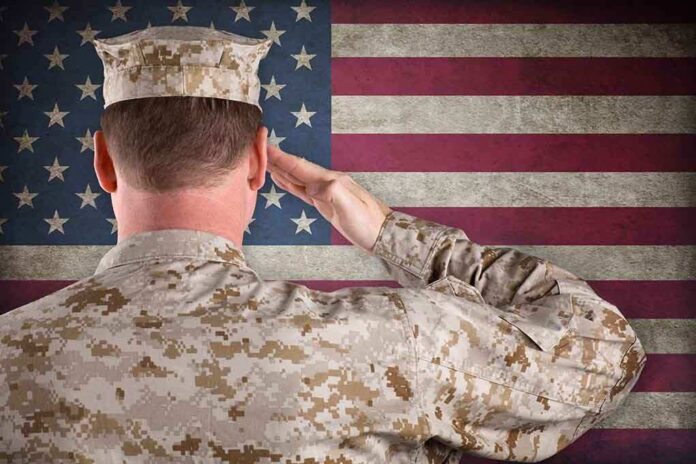
The Biden administration’s handling of the COVID-19 vaccine mandate has left a trail of disillusionment among service members, with thousands facing discharges for exercising their right to object.
Story Snapshot
- Thousands of military service members were discharged for refusing the COVID-19 vaccine.
- Exemptions for religious or medical reasons were frequently denied under the previous administration.
- The mandate was rescinded in 2023, but many discharges remained unchanged until 2025.
- President Trump’s 2025 Executive Order aimed to reverse these discharges and restore benefits.
Widespread Military Discharges: A Controversial Mandate
The August 2021 mandate by then-Secretary of Defense Lloyd Austin required all service members to receive the COVID-19 vaccine, sparking controversy around personal and religious freedoms. Despite the mandate’s intent to ensure readiness, it led to approximately 8,700 service members being involuntarily separated, many of whom were denied exemptions.
Every Air Force official involved in this miscarriage should be demoted, removed from positions of authority and court marshaled
Air Force Blocks Retirement of Exemplary Officer and Discharges Her Over Lawful Objections to Vaccines https://t.co/4k5LS4Xf3x #gatewaypundit via…
— AS (@AS3603340265059) January 15, 2026
While the mandate was rescinded in January 2023, the discharges were not automatically reversed, leaving affected service members without their rightful benefits or recognition. This situation persisted until President Trump assumed office in 2025 and issued an Executive Order to address these grievances.
President Trump’s Executive Order: A Path to Redemption
President Trump, fulfilling a campaign promise, issued an Executive Order in January 2025 to rectify what many saw as an overreach by the previous administration. The order provided a pathway for reinstatement and restoration of benefits for those who were discharged solely for refusing the vaccine. Secretary of Defense Pete Hegseth has been instrumental in driving these reviews, deeming the previous discharges “unconscionable.”
Despite the opportunity for reinstatement, the uptake has been minimal, with only 13 service members rejoining by June 2025. This highlights a lingering distrust among veterans towards military leadership and the federal government after years of perceived neglect and unjust policies.[8]
The Road Ahead: Rebuilding Trust and Ensuring Fairness
The reinstatement process, active until April 2026, aims to rebuild trust within the military community. While the Pentagon has initiated proactive reviews to upgrade discharges, the low rate of rejoining underscores the challenge of mending “broken faith” with service members. The economic impact of back pay and benefits restoration is significant, but the social implications of validating vaccine refusals as convictions-based decisions are far-reaching.
As the nation moves forward, the lessons learned from this mandate will influence future military policies, potentially setting precedents for how personal freedoms intersect with military readiness. The Trump administration’s efforts to correct past injustices resonate with the conservative belief in individual liberty and limited government intervention.
Sources:
United States Air Force Offers Reinstatement for Members Discharged Over COVID-19 Vaccine Refusal
Executive Order Gives Service Members Discharged Over Vaccine Refusal a Second Chance
COVID Vaccine Discharges: Thousands Affected, Few Rejoin
Reinstatement of Service Members Who Refused COVID-19 Vaccination