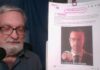
A targeted family attack at a Rhode Island youth hockey game is already being spun into a social-media morality play—even though investigators haven’t confirmed any “pre-attack tweets.”
Story Snapshot
- Police say the Feb. 16, 2026, shooting at Dennis M. Lynch Arena in Pawtucket was a targeted domestic-family dispute, not a random attack on the public.
- Three people died, including the suspected shooter, and three family members were reported critically injured; the shooter died from a self-inflicted gunshot wound.
- Officials described the incident as a familicide/murder-suicide scenario centered on one family in the stands during a high school boys’ hockey game.
- Online speculation about the suspect’s social media posts is widespread, but the core reporting available so far does not verify specific “Twitter posts before the attack.”
What happened at the Dennis M. Lynch Arena
Pawtucket police responded to reports of multiple people shot at Dennis M. Lynch Arena during a high school boys’ hockey game on the afternoon of Feb. 16, 2026. Authorities said gunfire broke out in the stands, triggering panic among families and players before the building was secured. Police leadership described the situation as targeted and consistent with a family dispute, and later confirmed the suspect died by suicide.
Investigators reported three deaths, including the shooter, and multiple critical injuries among the shooter’s relatives. Law enforcement said the victims were family members present at the game, and that no additional suspects were being sought. The arena was locked down, nearby streets were closed, and authorities coordinated with other agencies as the scene was cleared and witnesses were moved to safety.
Who police identified, and why the motive matters
By late Feb. 16, police identified the suspected shooter as 56-year-old Robert K. Dorgan of North Providence, also reported as Roberta Esposito in some coverage. Reporting indicates the shooter was connected to the youth hockey community through a child involved in local high school sports. Officials emphasized the attack was not an indiscriminate “active shooter” scenario aimed at strangers, but a targeted act focused on immediate family members.
That distinction matters because it shapes what prevention looks like. A targeted domestic violence incident can unfold anywhere—church parking lots, workplaces, schools, or, in this case, a rink full of families. When public officials and the media treat every tragedy as proof that ordinary Americans must surrender rights, they often overlook the practical warning signs the sources do mention: a family dispute, a history of instability, and a rapid, personal escalation.
Why the “pre-attack Twitter post” angle is still unproven
The viral framing around “what the shooter posted on Twitter before the attack” is drawing attention online, but the core research available from the cited reporting does not confirm specific posts or authenticate a pre-attack timeline on social media. That gap is important for readers trying to sort signal from noise. The confirmed facts so far come from police briefings and early reporting: targeted family members, a suicide, and an investigation still developing.
Conservatives have watched this pattern for years: a horrific event happens, then the narrative race begins—often with selective screenshots, ideological labeling, and pressure to regulate lawful gun owners who had nothing to do with the crime. Based on what is actually confirmed, the most responsible conclusion right now is simple: details about alleged tweets are not established in the main accounts, and investigators have not publicly centered motive on online ideology.
Community fallout and the policy pressure that usually follows
The shooting landed in a Rhode Island already rattled by a separate mass shooting at Brown University two months earlier, increasing political pressure for “something” to be done. Schools and teams involved in the co-op game confirmed players were physically safe, while communities began focusing on counseling and trauma support. Officials praised first responders, and professional sports organizations offered condolences as the state processed another public, family-facing tragedy.
Look What the Rhode Island Hockey Rink Shooter Posted on Twitter Before the Attack
https://t.co/SqVYqbTlxW— Townhall Updates (@TownhallUpdates) February 17, 2026
For families watching their kids play sports, the practical questions are immediate: how arenas control entry, how quickly police can reach the stands, and what protocols staff follow when chaos erupts. For a country still debating public safety versus constitutional rights, the confirmed facts here point to a painful reality: targeted domestic violence can explode in public without warning. The investigation’s next releases—especially verified motive details—should be demanded before anyone uses this case to justify broad, rights-limiting crackdowns.
Sources:
Police respond to reports of multiple people shot at a Rhode Island hockey rink
Deadly mass shooting at Rhode Island hockey match may have involved family dispute