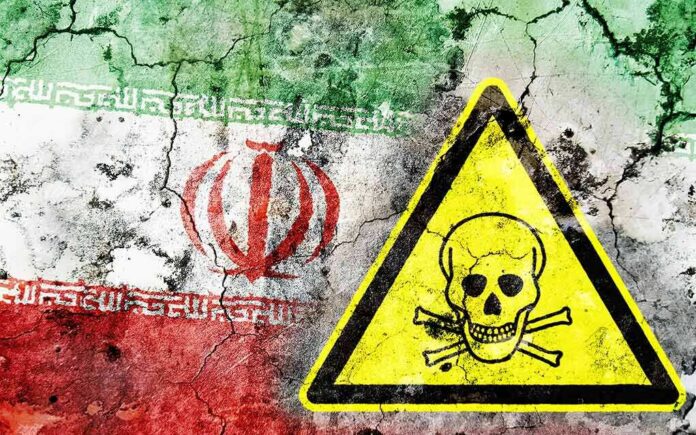
Iran’s regime executed more protesters after rushed trials that rights groups say used torture-tainted confessions, fueling calls for stronger U.S. action to confront Tehran’s brutality.
Story Highlights
- Rights groups report protest-related executions after hasty, unfair trials and forced confessions.
- Iran’s judiciary cites charges like “waging war against God” and national security offenses.
- United Nations investigators document torture, due-process violations, and intimidation by executions.
- Case files and evidence remain undisclosed in key executions, limiting outside verification.
What Iran Says Drove the Death Sentences
Iran’s judiciary said recent protest defendants committed violent crimes, not peaceful dissent. Officials linked suspects to blocking roads, arson, property damage, and the deaths of security personnel during January 2026 unrest in Isfahan. Courts relied on serious national security charges under Iranian law, including “waging war against God,” “corruption on earth,” espionage, and armed rebellion. Judicial statements said the Supreme Court upheld some death verdicts, and that legal procedures were complete before hangings occurred.
State media framed two executed men, Ali Hemmati and Majid Nikandish, as field operatives in an alleged coup plot tied to lethal attacks on security forces. Officials claimed this justified the harshest penalty to restore order. Iran also cited a 2025 espionage statute to stress a national security basis for several cases. These official claims present a picture of targeted justice for deadly acts, not blanket punishment for protest. But outside access to the records remains blocked.
What Independent Investigators Reported
The United Nations fact-finding mission said Iranian authorities carried out protest-linked executions after hasty and flawed proceedings that ignored basic fair-trial guarantees. Investigators reported arbitrary detention, torture, forced confessions, and denial of access to defense lawyers of the defendants’ choosing. Human Rights Watch described dozens of executions on vague national security charges after grossly unfair trials, adding that authorities used torture-tainted confessions and public executions to instill fear and deter dissent.
Amnesty International reported five protest-related executions in one week, saying televised “confessions” aired before trial and that defendants were denied lawyers during interrogations. Amnesty called the campaign an escalation aimed at quashing dissent. Rights monitors stressed that Tehran has not released full judgments, evidence logs, or forensic links that show each defendant’s personal role in alleged killings. Without that, outside experts cannot test the state’s claims or verify individual guilt.
The Evidence Gap and Why It Matters
Iran’s government has not published complete case files. There are no public appellate opinions, hearing transcripts, or authenticated forensics for key executions like Hemmati and Nikandish. That secrecy blocks due diligence by neutral observers. The United Nations team warned that fast-track Revolutionary Court proceedings, coupled with reports of torture, undercut confidence in the verdicts. Independent experts say this pattern signals punishment as intimidation, not a transparent process to prove violent crimes beyond a reasonable doubt.
Iran: Five Protesters Executed on Charges of “Waging War Against God,” “Corruption on Earth” and Killing Security Personnel Amid Allegations of Forced Confessions Under Torture
Amnesty International condemned the Iranian authorities’ execution of five men between September 30… https://t.co/4bc386gpfi
— وصل للأخبار (@waslnew) October 15, 2026
Rights groups urge Tehran to release full records now: charge sheets, evidence inventories, ballistic reports, autopsies, custody logs, and interrogation recordings, along with proof that counsel was present and confessions were voluntary. They also call for independent access to appellate dockets and execution warrants to confirm the state’s claim that all legal steps were truly complete before hangings occurred. These steps would allow line-by-line review to separate real violence from speech or assembly.
What This Means for U.S. Policy and Conservative Priorities
These executions show a regime ready to crush dissent behind closed doors. American conservatives value due process, free speech, and the right to protest without fear. President Trump’s administration now faces a test: deter Tehran’s repression while protecting our people, our economy, and our allies. Stronger sanctions on individuals and entities tied to torture and sham trials, tighter export controls, and aggressive terror financing enforcement are tools already on the table, and they carry bipartisan legal footing.
Congress can back that pressure with targeted human-rights and hostage-taker sanctions, and demand transparency on any funds that could aid the regime. The administration can expand support for secure communications for Iranian civil society, amplify access to uncensored internet tools, and coordinate with allies for multilateral penalties tied to documented abuses. These moves align with limited government and individual liberty: they punish abusers, not ordinary Iranians, and avoid open-ended wars or blank checks abroad.
Bottom Line for Readers
Iran says it is executing violent criminals. United Nations investigators, Human Rights Watch, and Amnesty document rushed trials, torture claims, and forced confessions. Tehran has not shown the evidence that would prove each person’s guilt in a real court setting. America should stand with basic rights and push hard for transparency, freedom of speech, and the rule of law. That is common sense, conservative principle, and a direct answer to a brutal regime’s fear tactics.
Sources:
pjmedia.com, amnesty.org, news.un.org, iranintl.com, media.un.org, hrw.org, ohchr.org
© totalconservative.com 2026. All rights reserved.