President Trump has halted planned U.S. airstrikes on Iran after announcing a signed peace framework that claims to end the war, reopen the Strait of Hormuz, and stop Iran from ever getting a nuclear weapon.
Story Snapshot
- Trump says a U.S.–Iran peace framework is “all signed” and immediately stops planned American airstrikes.
- The memorandum reopens the Strait of Hormuz and lifts the U.S. naval blockade on Iranian ports, easing energy pressures.
- Iran again pledges never to obtain nuclear weapons, with its enriched uranium to be destroyed and removed under the deal.
- Media and foreign critics call the framework “preliminary” and warn key details and nuclear terms are still to be finalized.
Trump’s Peace Framework Stops Airstrikes and Ends Active War
President Trump announced that the United States and Iran have agreed to a peace framework that he says “achieves everything we set out to accomplish” in the war and “much more.” This announcement follows months of intense conflict that killed thousands and shook global energy markets. Trump’s team and regional mediators say the memorandum of understanding immediately ends military operations on all fronts, including in Lebanon and around Israel. In line with that, U.S. officials confirm that planned American airstrikes on Iran were canceled once the text was agreed, shifting the mission from combat to enforcement of the new ceasefire.
The framework is described by the White House as a binding memorandum of understanding, signed digitally by President Trump, Vice President JD Vance, and Iranian representatives. Pakistan’s prime minister, who helped mediate the talks, publicly said a “final agreed text” had been reached and that the deal calls for “the immediate and permanent termination of military operations on all fronts.” For war-weary Americans who watched Washington drift into yet another Middle East conflict under old globalist thinking, this move marks a sharp turn back toward controlled borders, strong defense, and ending endless wars instead of managing them forever.
Strait of Hormuz Reopens, Energy Blockade Lifted, America First
Under the memorandum, the United States lifts its naval blockade on Iranian ports and allows commercial shipping to resume through the critical Strait of Hormuz. That waterway carries a huge share of the world’s oil, gas, and fertilizer, so closing it helped drive up fuel and food prices that punished American families. President Trump has stressed that reopening the strait is central to the deal and that traffic will move toll-free, breaking attempts to use energy routes as leverage. Reuters reports that draft terms include the U.S. releasing some frozen Iranian assets and easing oil sanctions in return for Iran opening the strait and keeping it safe for shipping.
The White House frames these steps as “America First in action,” rejecting the older model of secret side deals and cash pallets while still using U.S. leverage to get better terms. The administration says sanctions relief and asset releases will be phased and tied to Iran’s behavior, especially on nuclear issues and support for terror groups. That approach stands in contrast to the 2015 Iran deal, when billions were unlocked up front while Tehran kept enrichment capabilities and regional proxies. Many conservatives see this current deal as using strength—blockade, strike plans, and economic pressure—to secure a ceasefire and then test Iran against clear conditions, instead of trusting global institutions to police them.
Nuclear Limits, 60-Day Clock, and What Comes Next
A core claim of the agreement is that Iran again pledges it will never obtain a nuclear weapon, whether by building or buying one. Senior U.S. officials say the text requires Iran’s nuclear material to be destroyed and removed, and its nuclear program to be dismantled over time. The memorandum sets a 60-day window of intensive talks to nail down the final nuclear terms and technical steps, including how enriched uranium will be “downblended” under inspection by the International Atomic Energy Agency. President Trump has told supporters that this process will “eliminate the possibility of nuclear weapons for Tehran.”
Major outlets, however, keep calling the pact “preliminary,” “interim,” or a “fragile ceasefire,” and note that some nuclear details are still to be negotiated. Some reports highlight that a formal signing ceremony in Switzerland is scheduled after the G7 summit, feeding claims that the framework is not yet a full peace treaty. Iranian military spokesmen have also pushed back on Trump’s early timelines at points, saying a framework “has not yet been finalized” even as mediators describe a completed text. That split picture has allowed critics, especially in the foreign policy establishment and on the left, to question the deal’s durability and paint it as risky or too soft on Tehran.
Media Skepticism, Democrat Attacks, and Conservative Stakes
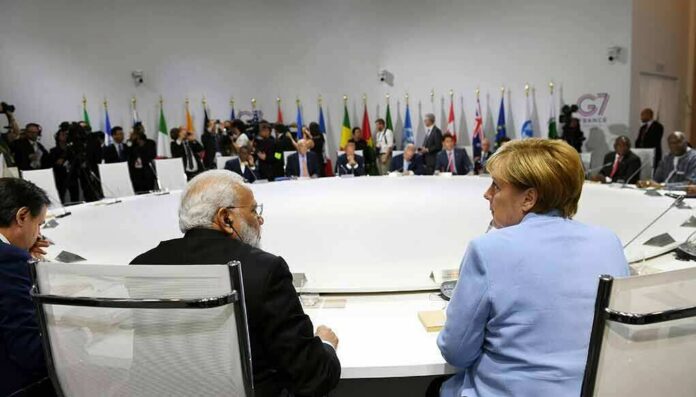
Coverage from large outlets leans heavily on doubt, stressing that the text was not released right away and calling the ceasefire “shaky.” Some reports focus more on the possibility that the United States might “go back to dropping bombs” than on the fact that strikes were halted when the framework was signed. Senate Democrats and foreign policy insiders attack the agreement as “one of the biggest American disasters,” arguing that sanctions relief and reconstruction funding for Iran are too generous. At the same time, G7 leaders in France publicly welcomed Trump’s memorandum as a step toward ending the war and stabilizing global energy flows.
For conservative readers, the stakes are clear. A secretive permanent war with Iran would mean more debt, more globalist entanglements, more pressure on gun rights at home, and more excuses for federal surveillance. A tough, time-limited framework that stops bombing, keeps the strait open, and forces Tehran to dismantle its nuclear program fits a different vision: defend America’s interests, avoid nation-building, and stop letting unelected experts drag the country into forever wars. The next 60 days will test whether Iran follows through and whether Democrats and the media accept a peace that was won through strength instead of apology—but for now, the bombs are grounded, the ships are moving, and President Trump has put an America First marker down in the Gulf.
Sources:
npr.org, pbs.org, bbc.com, youtube.com, apnews.com, nytimes.com, cnn.com, washingtonpost.com, abcnews.com, nprillinois.org
© totalconservative.com 2026. All rights reserved.