
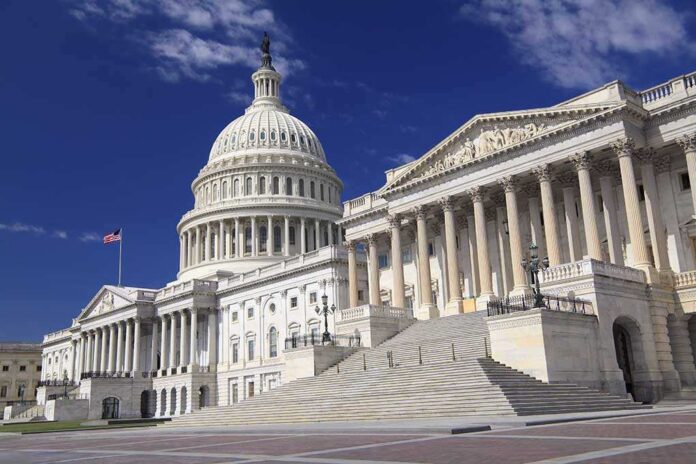
With less than a week to go, six razor-thin Senate races could hand either party control of the chamber, putting national policy on a knife’s edge.
Story Snapshot
- Fox News projects a 47–47 split with six true toss-ups likely to decide Senate control.
- Key battlegrounds span diverse states, including Alaska, Iowa, Maine, Michigan, Texas, and Ohio.
- Recent polls show single-digit margins in several of these races, underscoring the volatility.
- History shows the president’s party often loses Senate ground in midterms, adding pressure on both sides.
Ratings Show A Deadlock With Six True Toss-Ups
Fox News’s latest Power Rankings place Democrats and Republicans at 47 seats each, with six races rated true toss-ups that will likely decide control of the United States Senate. The listed battlegrounds cut across regions and political cultures, pointing to a broad fight rather than a single hotspot. That mix raises the stakes for national policy on spending, immigration, energy, and the courts. Both parties are targeting these states with late money, top surrogates, and legal teams ready for razor-thin counts.
Other outlets count the map differently but echo the same core idea: a handful of close races will decide control. A local roundup citing the Cook Political Report highlights seven battlegrounds likely to set the majority, reflecting a different threshold for “battleground” versus “toss-up”. These differences do not signal conflict so much as method. They still point to the same bottom line for voters: a few states will shape which laws pass and which nominees advance over the next two years.
Polling Underscores Tight Margins In Key States
Recent public polling shows slim leads or ties across several of the named states. In Ohio, a Suffolk University survey listed by the New York Times showed Democrat Sherrod Brown edging Republican Jon Husted by three points, within the realm of late movement. NBC News’s battleground summary captured photo-finish numbers in Maine and Michigan, and a close race in Texas. In Texas specifically, a Cook-affiliated survey showed Democrat James Talarico up five points over Republican Ken Paxton, outside the margin of error.
These snapshots show why ratings teams keep several seats in the toss-up column. Small shifts in turnout, late-breaking issues, or third-party votes can swing outcomes. Campaigns know this, and their final messages reflect what many voters care about now: the price of groceries and gas, border security and community safety, health costs, and who gets heard in Washington. When margins are this thin, frustration with “the elites” and with business-as-usual in the capital can become a deciding force.
Historical Patterns Add Pressure To The Final Week
History suggests the president’s party often loses ground in midterm Senate contests, even if shifts are small. That pattern adds urgency for both parties in the final stretch. Republicans see a chance to expand their edge in Congress alongside President Trump, while Democrats see openings in states where voters split tickets or punish whoever holds power. Ratings and polls cannot predict close results with certainty, but they can flag where effort and turnout will matter most.
Expert rating systems have a track record for calling “likely” and “lean” races correctly, which sharpens attention on the smaller tier that remains uncertain. That is where big money, late visits, and heavy ad buys now land. Horse-race framing tends to dominate coverage in weeks like this, which can influence donations and volunteer energy. Voters should focus on the concrete stakes: which party writes the budget, chairs the committees, and confirms or blocks nominees.
Why These Few Seats Matter For Everyday Life
Senate control shapes what becomes law, what gets blocked, and who sits in lifetime judgeships. Committee chairs decide which hearings happen on border enforcement, drug prices, and energy permits. A one-seat majority can speed or stall spending plans, tax debates, and oversight of federal agencies. For readers worried about inflation, high energy costs, or the fairness of the system, these toss-ups are not abstract. They are the lever that sets the agenda for the next Congress.
With control hanging on a handful of states, voters in these battlegrounds hold unusual power. Turnout patterns, early voting returns, and how campaigns handle final days will set the result. If you live in one of these states, the choice you make will echo far beyond your town. The Senate map is narrow, the margins are thin, and the policy impact is large. That is why both parties are all-in, and why these races will be the last called on election night.
Sources:
facebook.com, foxnews.com, fox61.com, nytimes.com, foxwilmington.com, reuters.com, detroitnews.com, npr.org
© totalconservative.com 2026. All rights reserved.