A bizarre, media-driven Bitcoin ransom scheme has turned the kidnapping of an 84-year-old Arizona woman into a national spectacle—and a dangerous test of whether criminals can manipulate the press to pressure families and police.
Story Snapshot
- Nancy Guthrie, 84, was abducted from her Tucson home on Feb. 1, and investigators say she needs daily medication and has a pacemaker.
- Ransom notes demanded $6 million in Bitcoin and were sent to TMZ and Tucson TV outlets, promising her return within 12 hours of payment.
- Deadlines in the letters passed without a confirmed release, and the FBI later released images of a masked suspect.
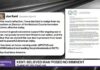
- A third letter sent to TMZ claims the writer knows the kidnapper’s identity and offers details for 1 Bitcoin, prompting warnings it may be a scam.
Kidnapping Timeline Points to a Planned, Media-Centered Operation
Investigators say Nancy Guthrie was taken from her home in Tucson, Arizona, on Feb. 1, 2026, a case that escalated fast because her daughter is NBC “Today” co-host Savannah Guthrie. Surveillance imagery described in reporting shows a masked person approaching the front door and using foliage to obscure it. Authorities have emphasized the victim’s medical vulnerability, raising the stakes as the days pass without verified contact.
Ransom demands quickly moved into the public arena. Reports describe letters seeking $6 million in Bitcoin and routing those demands not directly to family members, but to TMZ and local Tucson television stations, including KOD. The note promised a return to Tucson within 12 hours if paid, a detail that shaped how observers interpreted the logistics. When those deadlines elapsed without a confirmed handoff, the case shifted from a “pay-and-return” promise to a murkier standoff.
Bitcoin Demands, Missed Deadlines, and the First Sign of Wallet Activity
The crypto angle is central because it offers speed, pseudo-anonymity, and a global transfer mechanism that can be exploited by criminals—or by opportunists piggybacking on a headline. Reporting indicates that a linked Bitcoin account showed its first activity on Feb. 10, with the amount undisclosed. That development matters, but it does not prove a ransom was paid, who initiated the movement, or whether the wallet activity is connected to the family at all.
TMZ reporting also highlighted a clue embedded in the letters: the writer’s claim that Guthrie would be returned within 12 hours after payment, implying travel by car rather than air. Based on driving time, the reporting described a search area roughly within a 700-mile radius of Tucson. That framing may help narrow investigative focus, but it remains an inference from the letter’s own narrative, not a publicly confirmed law-enforcement conclusion about where Guthrie is being held.
FBI Releases Masked Suspect Images as Local Leads Remain Unclear
On Feb. 10, the FBI released surveillance images of a masked suspect as the investigation continued under intense public attention. Authorities also publicized a reward of $50,000 for information leading to the victim’s recovery and an arrest. One reported lead involved a DoorDash deliveryman who was detained and questioned before being released without charges. As of the latest updates in the provided reporting, no public announcement confirms the suspect’s identity or Guthrie’s location.
Media involvement has been unusually direct. Harvey Levin, TMZ’s founder, has said TMZ received multiple letters, and he has analyzed their wording and distribution choices on air. The letters’ structure and the selection of recipients—local Tucson media plus TMZ—have been cited in coverage as reasons investigators suspect local familiarity. Still, those indicators are circumstantial; a determined offender could mimic local knowledge or leverage public details to steer the narrative and pressure decision-makers.
Third Letter Offers “Insider” Info for 1 Bitcoin—and Raises Scam Fears
On Feb. 11, TMZ received a third letter that did not claim to be from the kidnappers but asserted the writer knows who the kidnapper is and offered that identity for 1 Bitcoin. The incentive structure alone raises red flags because it monetizes “information” in a way that can be easily faked. An ex-FBI official interviewed in coverage warned the letter could be a scam, underscoring how high-profile cases attract profiteers alongside legitimate tips.
The case also illustrates a broader vulnerability: criminals using publicity to amplify leverage, hide behind intermediaries, and flood the public square with noise that investigators must sort through. Savannah Guthrie’s public pleas have shown the human cost, but they also reveal the dilemma families face when kidnappers—or alleged tipsters—choose media channels over direct negotiation. For now, key facts remain unresolved: whether any payment occurred, who controlled the wallet activity, and whether the latest letter is credible.
Sources:
Ex-FBI official flags possible scam as third alleged Nancy Guthrie letter emerges
Nancy Guthrie Ransom Letter: Search Radius Around Tucson
Nancy Guthrie Kidnapper Is From Tucson