
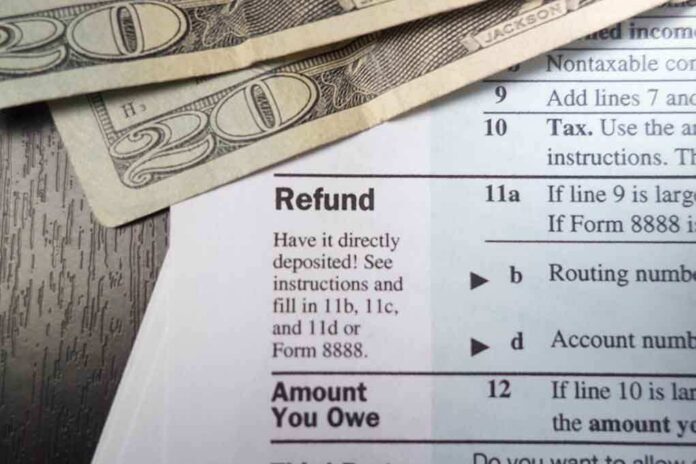
The most revealing number on Tax Day 2026 wasn’t your refund—it was how many Americans used the new deductions, signaling a tax code pivot toward work, wages, and retirement.
Quick Take
- IRS reporting showed the average refund rose to about $3,462, roughly 11% higher than the prior year.
- More than 53 million filers reportedly claimed new deductions tied to the “One Big Beautiful Bill Act,” also promoted as “Working Families Tax Cuts.”
- Major buckets included no tax on tips, no tax on overtime, and enhanced senior deductions—aimed at service workers, hourly workers, and retirees.
- Tax Day still landed on April 15, with extensions available for filing (not for paying) until October 15.
Tax Day 2026, Told by the Refund Numbers People Actually Felt
April 15, 2026 arrived with a rare political moment: a measurable “kitchen table” effect that showed up in IRS refund averages, not just speeches. Reports pegged the average refund at $3,462, up about 11% from 2025. That increase matters because refunds function like forced savings for millions. When the average moves, it signals real changes in withholding, credits, deductions, and taxpayer behavior—especially among middle-income filers.
The more important figure was adoption: Treasury and related reporting pointed to 53 million-plus taxpayers claiming the new deductions, roughly 45% of filers. That’s not niche optimization by accountants; that’s mass behavior. In plain English, tens of millions didn’t just qualify—they bothered to claim. That alone hints the provisions were simple enough to reach regular workers, which is always the first hurdle when Washington promises “tax relief.”
What Changed: Tips, Overtime, and Senior Deductions Moved to Center Stage
Three provisions dominated the storyline. First, no tax on tips: roughly 6 million claimants were cited, with an average claimed amount in the neighborhood of $7,100. Second, no tax on overtime: estimates ranged widely, often cited between about 21 million and 25 million claimants, with an average around $3,100. Third, seniors: about 30 million reportedly benefited from enhanced deductions averaging roughly $7,500. Taken together, those numbers describe who Washington chose to prioritize.
Conservative common sense says the tax code should reward work, not gamesmanship. Tips and overtime are the closest thing the economy has to “extra effort pay,” often earned in physically demanding jobs with unpredictable schedules. If a bartender stays late or a lineman takes another shift, the message embedded in the tax code matters: keep more of what you earn, and you keep more incentive to show up. That’s not theory; it’s basic human behavior.
Why “Even CBS Covered It” Became the Story Inside the Story
Media framing turned this Tax Day into a proxy fight about credibility. The White House message leaned hard on a simple claim: mainstream outlets, including CBS News coverage of refunds, had to acknowledge the effects. Readers should separate two issues. One is politics—every administration markets its wins. The other is verifiable data—refund averages, filing deadlines, IRS operational updates. When both government messaging and mainstream reporting land on the same broad metrics, the argument shifts from “did it happen?” to “how much did it help, and who?”
Andrew Lautz at the Bipartisan Policy Center added a key stabilizer: a nonpartisan voice reinforcing that millions were claiming new deductions, which helps tamp down suspicion that the entire story rests on partisan press releases. Americans over 40 have seen too many “historic reforms” that vanish when the paperwork hits. The real test is whether everyday filers can navigate the changes without hiring a professional. Mass adoption suggests the answer, this time, leaned yes.
The Calendar Still Matters: Deadlines, Extensions, and the Discipline of Paying on Time
The drama of deductions doesn’t erase the oldest truth about Tax Day: the calendar is unforgiving. Filing season opened January 26, 2026 after the IRS announced the start date and highlighted updated tools and resources. Employers and payers had their own deadlines for W-2s and 1099s earlier in February. April 15 remained the hard stop for filing and payment, and extensions pushed filing to October 15—but did not push the obligation to pay.
That detail separates responsible taxpayers from expensive mistakes. Extensions buy time to finish forms, not time to avoid the bill. People who underestimate and “file later” can end up paying interest and penalties even if they did everything else right. For older readers with side gigs, retirement income, or a small business, the safest approach stays boring and effective: estimate early, pay what you owe by April 15, then perfect the paperwork later if needed.
The Long Game: A Tax Code That Picks Sides in the Culture of Work
Tax policy always signals values. A system that eases burdens on tips, overtime, and seniors says something clear: labor and longevity deserve breathing room. Critics will argue about deficits or fairness across income brackets, and those debates belong in Congress. The narrower question for 2026 filers was simpler: did the provisions reach the people they targeted? With tens of millions claiming them, the early evidence says they did—at least in the first season.
Tax Day in America: Even Mainstream Media Forced to Acknowledge Big, Beautiful Cuts for Regular Americanshttps://t.co/5MFXuFYeav
— RedState (@RedState) April 15, 2026
Tax Day 2026 also exposed an uncomfortable truth for the political class: Americans respond faster to a change they can calculate than a slogan they’re told to repeat. A bigger refund isn’t “free money,” but it feels like relief when budgets are tight. Whether this era becomes a durable realignment or a one-season surge will depend on final IRS tallies and future legislation. For now, the biggest takeaway is blunt: when policy is built around ordinary work, ordinary people notice.
Sources:
https://www.cbsnews.com/news/tax-refund-2026-average-irs-below-forecasts/
https://www.epwealth.com/blog/when-is-tax-day-in-2026
https://en.wikipedia.org/wiki/Tax_Day
https://www.consumerfinance.gov/consumer-tools/guide-to-filing-your-taxes/
https://www.livenowfox.com/news/april-15-2026-tax-deadline-extension-pay-time
https://www.taxpayeradvocate.irs.gov/news/tax-tips/your-tax-to-do-list-important-tax-dates/2026/03/