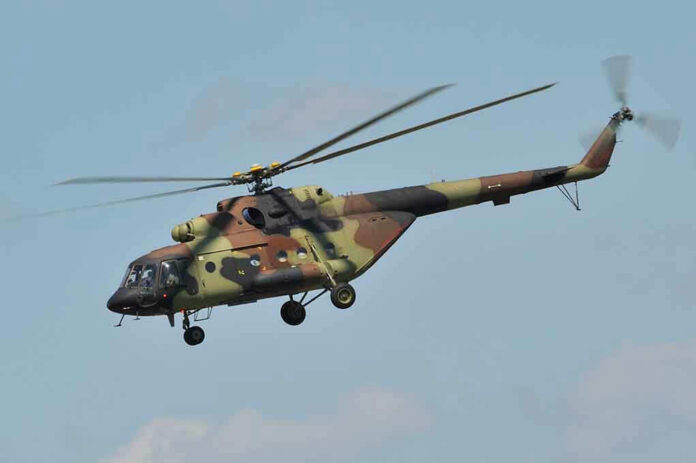
A tragic helicopter crash near Airlake Airport raises serious concerns about aviation safety in Minnesota.
Story Highlights
- A helicopter crash near Airlake Airport results in the death of all onboard.
- The incident highlights safety concerns for general aviation near industrial zones.
- Airlake Airport plays a vital role in regional aviation and industrial support.
- The crash prompts investigations by the FAA and local authorities.
Helicopter Crash Near Airlake Airport: A Tragic Incident
The recent helicopter crash near Airlake Airport in Lakeville, Minnesota, has left the community in mourning. All individuals on board the helicopter perished, prompting immediate concern about aviation safety near this significant regional hub. Airlake Airport, known for its role in supporting general aviation and industrial activities, has now become the focal point of an ongoing investigation by the Federal Aviation Administration (FAA) and local authorities. This tragic event underscores the pressing need for stringent safety protocols in areas with high aviation activity.
Airlake Airport’s Role in Regional Development
Airlake Airport, established in 1967, has been a cornerstone of regional development, serving the Airlake Industrial Park. Initially a privately-owned airfield, it came under the Metropolitan Airports Commission’s (MAC) purview in 1981, enhancing its capacity for general aviation and pilot training. Located adjacent to one of Minnesota’s largest industrial parks, the airport supports thousands of operations annually, making safety a paramount concern. The crash has reignited discussions about the facility’s operational protocols and its capacity to handle the demands of busy airspace.
Stakeholder Reactions and Safety Implications
The Metropolitan Airports Commission, responsible for managing Airlake Airport, has expressed condolences to the victims’ families and pledged full cooperation with the investigation. The FAA’s involvement underscores the regulatory focus on ensuring compliance with aviation safety standards. Local businesses, which rely on the airport for logistics and connectivity, are indirectly affected, raising economic concerns. Meanwhile, the victims’ families are seeking answers and accountability, adding emotional weight to the ongoing investigations.
The crash highlights potential gaps in safety measures that could impact broader aviation protocols. Industry experts emphasize the importance of robust pilot training, maintenance, and operational oversight, especially near busy industrial zones. There is a possibility of regulatory changes or operational reviews at Airlake as authorities work to prevent future incidents.
Minn.: Helicopter crashes near airport, no survivors https://t.co/ZHyXSbxnu3… https://t.co/23rkihgb7r
— Yousef Poor (@Naveed_Talash19) September 8, 2025
Sources:
History of the Metropolitan Airports Commission
Family History of Airlake Industrial Park
The Shared History of Airlake Industrial Park