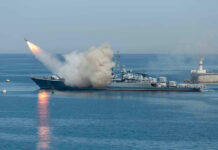
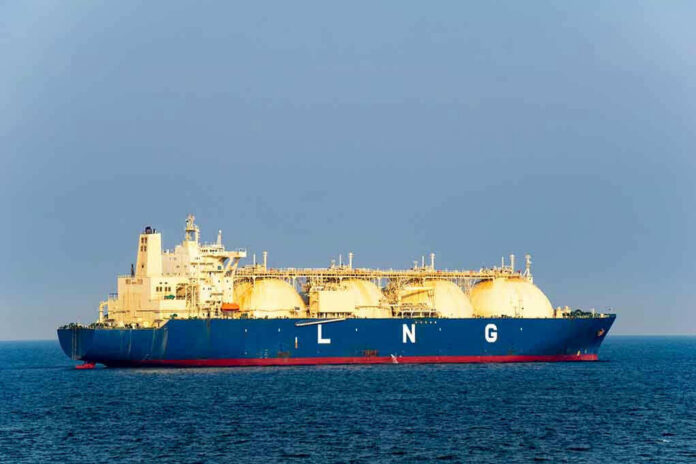
The United States reinstated a naval blockade on Iranian ports near the Strait of Hormuz and warned violators face interception, as Washington moves to choke off Tehran’s shipping and protect global trade lanes.
Story Highlights
- U.S. blockade targets ships entering or leaving Iranian ports near the Strait of Hormuz.
- President Trump ordered enforcement after talks with Iran failed and new attacks raised risk.
- Commanders said violators risk interception, diversion, and capture under the rules announced.
- Analysts estimate steep daily losses for Iran as port traffic slows or stops.
What Washington Ordered And How Forces Will Enforce It
U.S. Central Command said on Monday that any unauthorized vessel entering or leaving Iranian ports in the blockade zone faces interception, diversion, and capture. Commanders framed the step as targeted enforcement on port traffic, not a total closure of the strait. President Donald Trump had announced the move following failed talks and attacks linked to the waterway, pressing to block Iranian shipping and curb oil revenue. The Pentagon positioned ships to screen traffic and direct noncompliant vessels to inspection.
Major outlets reported the blockade’s start time and scope, noting quick execution by Navy and Coast Guard elements assigned to the region. Coverage described a focus on Iranian ports and adjacent sea lanes rather than halting all transit. That approach aims to pressure Tehran while keeping lawful international commerce moving. The move follows a pattern where political leaders set tough goals and the military applies a narrower, rules-based plan to avoid a wider fight and keep sea lanes open.
Why The Strait Matters To Energy, Prices, And Security
The Strait of Hormuz is a narrow sea route that carries oil, fertilizer, and other vital goods. Any fight there can spike costs for families and businesses. The U.S. goal is to stop Iranian cargo that funds hostile actions while letting neutral ships pass safely. That balance helps shield American drivers and farmers from price shocks. If Iran’s exports slow, markets can get tight, but steady patrols and clear rules lower risk and signal that sea trade will continue despite pressure on Tehran.
Analysts at a Washington policy group estimated the blockade could cost Iran hundreds of millions of dollars per day in disrupted trade and shipping delays. That figure reflects blocked port calls, rerouted cargoes, and higher insurance rates. While estimates vary, the core idea is simple: Iran faces heavy economic pain when its ports jam up. That leverage supports U.S. aims to deter attacks and push Iran toward talks without putting a blanket stop on global traffic in the strait’s main channel.
Rules Of The Road: What Shippers Can Expect Now
Shipping firms transiting near Iran can expect identity checks, routing orders, and inspections if a voyage includes an Iranian port call. Vessels with clean manifests and non-Iran stops should continue moving, though at slower speeds and with escorts in some areas. Captains that ignore orders risk diversion and seizure. Clear contact points and radio procedures help reduce mistakes. Commanders stated the intent is to enforce against Iranian-linked traffic while avoiding needless delays for neutral ships that follow instructions.
OUT: BREAKING – US to charge cargo ships in Hormuz and reinstate blockade.pic.twitter.com/HforuMauJy
— News Now (@NewsNowUS) July 13, 2026
Energy watchers and security experts said the first days of enforcement would set the tone. A firm but narrow blockade can limit miscalculation while signaling resolve. A measured start also blunts propaganda that claims the U.S. seeks to strangle world trade. For conservative readers, the stakes are clear: keep sea lanes open, stop Tehran’s aggression, and avoid endless wars. Tight rules, transparent communication, and steady patrols offer the best path to meet those goals without empowering Iran’s threats.
Sources:
insiderpaper.com, cbsnews.com, en.wikipedia.org, aljazeera.com
© totalconservative.com 2026. All rights reserved.