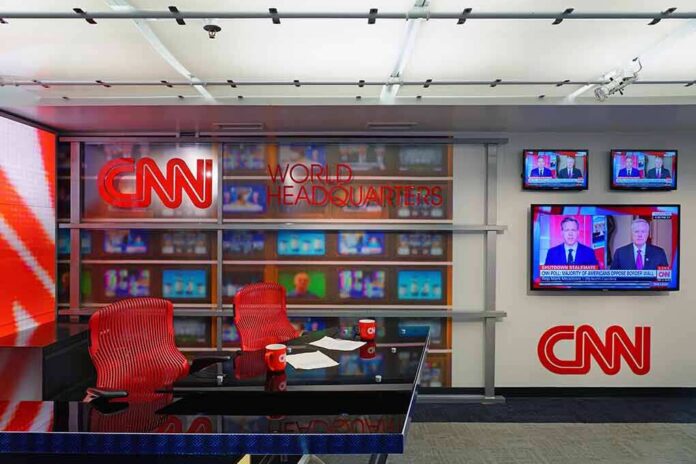
In a rare blow to public transparency, the major television networks paused White House pool coverage after President Trump barred CNN, MS NOW, and Politico from the grounds over “fake news” claims.
Story Highlights
- President Trump said he banned three outlets from White House access over “fake news”.
- Reporters from those outlets say their badges were deactivated and seized at entry points.
- The outlets filed suit, arguing the ban is unconstitutional viewpoint discrimination and lacks due process.
- Networks paused pool coverage, heightening pressure over access and transparency.
What Triggered the Access Fight
On September 18, President Trump announced that CNN, MS NOW, and Politico would be banned from White House access, citing “fake news” and “fiction and lies” in their reporting. The initial post did not spell out whether this meant hard passes, specific events, or the campus at large, but reporters soon found their badges deactivated at security checkpoints. The White House framed the decision as an access ruling, not a bar on publication, keeping the focus on credentials rather than speech limits.
NBC News and the Associated Press reported that journalists from the barred outlets were turned away and had press passes confiscated after Trump’s announcement. MS NOW said one reporter’s badge failed at the magnetometer and was seized, while another producer entered, underscoring confusion about scope and consistency. That muddle feeds broader worries shared by many Americans: when rules are unclear, power tends to be used without accountability, and trust erodes across the board.
Why Pool Coverage Matters to the Public
Television networks’ pool coverage supplies shared video and notes to all outlets, including those that lack space at events. When major networks step back, fewer eyes watch the same rooms, and fewer citizens see raw moments that shape the news cycle. This dispute sits in a long line of press access battles, including the 2018 revocation and later restoration of CNN reporter Jim Acosta’s pass after a court ruling on due process protections.
Courts have also weighed in on viewpoint discrimination claims in access settings. Litigation tied to Associated Press coverage and White House spaces stressed that even in limited or nonpublic forums, the government cannot exclude on the basis of viewpoint. Legal experts cite these rulings to argue the current ban faces steep odds if it rests on dislike of coverage, and if it was imposed without consistent, neutral rules or clear process.
The Lawsuit and the Clash Over Rights and Process
CNN, MS NOW, and Politico sued the administration, claiming the ban punishes their reporting and violates the First Amendment and due process under the Fifth Amendment. Their filings argue the government cannot yank access without neutral standards, notice, or a way to appeal. They seek restoration of credentials and an order blocking viewpoint-based exclusions. As in past cases, the court will test the White House’s stated reasons against the constitutional guardrails that protect press access.
The White House contends that managing entry is an executive function and that publication remains free, since no one is stopping these outlets from reporting from elsewhere. But courts have warned that when the government invites some press into controlled spaces, it must use reasonable and viewpoint-neutral rules to decide who gets in. If the case turns on the President’s own words about “fake news,” judges may see a retaliation motive rather than a neutral policy.
Shared Concerns: Transparency, Power, and Public Costs
Citizens across the spectrum worry that powerful institutions, in government and media, often put their own interests first. This standoff feeds that fear. When access rules shift without clear standards, the public loses the checks that come from many reporters asking tough questions in the same room. When media companies and the White House escalate, ordinary people pay with thinner information and slower answers about policy that hits wallets and communities.
CNN, MS NOW, and Politico are suing over the White House’s denial of press access, citing the First Amendment—and as a former journalist, I am outraged. The American people had two chances to ban him from the White House, and they didn’t. #FreePress https://t.co/37KFxaUsy8
— Randy Hucks (@randyhucks) September 21, 2026
Past rulings suggest a likely path: courts press the White House to explain the rule, apply it evenly, and avoid viewpoint policing, while restoring access during the case if process was lacking. For readers, the near-term signal is plain. Any move that narrows who can witness the presidency in real time should meet a high bar, be written down, and be open to challenge. Anything less invites confusion, suspicion, and a weaker civic watchdog.
Sources:
youtube.com, npr.org, abcnews4.com, afp.com, aljazeera.com, katu.com, apnews.com, opb.org, usatoday.com, abcnews.com, assets.bwbx.io, media.cadc.uscourts.gov
© totalconservative.com 2026. All rights reserved.