
A car jumped the sidewalk by the White House at lunchtime, prompting a swift lockdown and a mental health evaluation for the driver, officials said.
Story Snapshot
- Secret Service detained a driver after a car went onto the sidewalk near Lafayette Square.
- The incident happened around 12:15 p.m. at 16th Street and H Street Northwest in Washington, D.C.
- Roads closed out of caution; a vehicle sweep found no suspicious items, officials said.
- Reports say the man demanded to speak with President Trump before he was taken to a hospital.
What Happened at the White House Perimeter
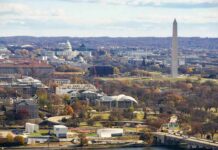
On Saturday, September 19, 2026, a car went onto the sidewalk at 16th Street and H Street Northwest, beside Lafayette Square, just north of the White House. United States Secret Service officers detained the driver within minutes. Local coverage placed the time at about 12:15 p.m. Officials closed nearby streets while they checked the scene. The United States Secret Service later said the car was searched and cleared. No suspicious items were found during that sweep.
Witness accounts and outlet reports said the man demanded to speak with President Trump as officers took him into custody. Officials did not release the man’s name or any charges that day. A United States Secret Service spokesperson said the driver was taken to a local hospital for a mental health evaluation. The agency described the road closures as an “abundance of caution,” which is common during perimeter alerts near the Executive Mansion.
How Authorities Contained the Scene
United States Secret Service personnel led the response, with support from the Metropolitan Police Department and nearby federal units. Officers formed a perimeter around the car and pushed people back from the fence line. Crews conducted a standard vehicle sweep and then arranged removal of the car. The posture matched standing playbooks for potential threats near the White House, where fast action and layered defenses aim to stop risks early and limit public exposure to harm.
Officials said the vehicle search had “negative results,” meaning no explosives or weapons were found. That result lowered the risk and allowed roads to reopen after the scene was cleared. Reports did not specify how long streets stayed closed, or which exact blocks were affected. Agencies did not release a formal incident report that day. Without those documents, details like the driver’s intent or impairment level remain unknown based on public information.
Why These Perimeter Incidents Draw Big Responses
Any sudden move near the White House triggers a large response because the site is both symbolic and sensitive. Since the 1990s, reviews of United States Secret Service operations have stressed multiple rings of security and quick reaction to anything unusual outside the fence. A car on a sidewalk near the North Lawn meets that threshold, even if it later proves nonviolent. That is why officers shut roads, stage teams, and check vehicles before easing the alert level.
People on the left and right often see moments like this through a deeper worry: that leaders focus on optics while regular citizens face rising stress, untreated mental health needs, and heavy-handed security. This event ended without injuries or a bomb scare, which is a relief. But it also shows the strain in public life. The closest guardrails to power are strong. The farther ones—affordable care, stable services, and honest government—still feel out of reach to many Americans.
Sources:
nypost.com, news.meaww.com, themirror.com, oglobo.globo.com
© totalconservative.com 2026. All rights reserved.