The United States deported Ecuador’s former interior minister José Serrano to face charges in a cartel-linked presidential assassination case, even after a judge reportedly tried to block his removal.
Story Snapshot
- Ecuador’s prosecutor charged Serrano as an alleged planner in the 2023 killing of Fernando Villavicencio.
- U.S. immigration officers detained Serrano in 2025 and deported him to Ecuador on August 28, 2026.
- Ecuador tied the case to organized crime, naming a Los Lobos leader among co-accused.
- Serrano denies all claims, calling the case a political montage without hard proof.
What U.S. Deportation Signals in a High-Stakes Murder Case
United States officials deported José Serrano, Ecuador’s interior minister from 2012 to 2016, to Guayaquil on August 28, 2026. Ecuador’s government received him and moved him to the El Encuentro prison the same day, aligning with a court order for preventive detention in a murder-conspiracy case. Reports say a judge had sought to block his removal over safety concerns. The deportation still went forward, raising fresh questions about process and coordination between agencies and courts.
Ecuador’s Attorney General charged Serrano as one of the alleged “intellectual authors” of the 2023 assassination of presidential candidate Fernando Villavicencio. Prosecutors say he shared “sensitive” location details tied to Villavicencio’s movements. The filing named seven suspects, including a leader of the Los Lobos criminal group, which authorities blame for fueling violence across the country. These charges formalized a theory that had been building for months and pushed the case beyond rumor into court action.
Timeline: From U.S. Custody to Ecuadorian Prison
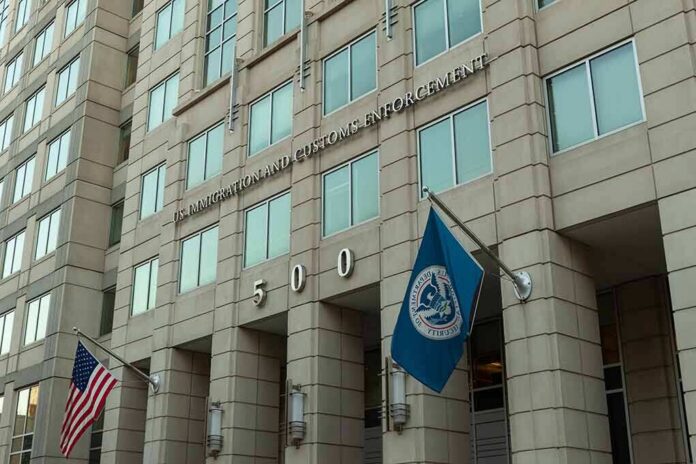
U.S. Immigration and Customs Enforcement detained Serrano in Miami on August 7, 2025. Coverage at the time described immigration grounds for custody while Ecuador advanced its investigation into the Villavicencio killing. After more than a year in U.S. custody, authorities deported him on August 28, 2026. Ecuador’s President Daniel Noboa and justice officials publicly framed the transfer as part of a broader push against organized crime and corruption linked to the assassination.
The deportation does not prove the murder allegations. It does, however, settle a key logistical hurdle for Ecuador’s case by placing Serrano in pretrial detention at home. That shift allows prosecutors to press their theory in court and test it with evidence and witnesses. It also moves the spotlight from immigration law in the United States to due process in Ecuador, where prison conditions and institutional trust remain under close watch.
The Claims, the Denials, and the Trust Gap
Prosecutors allege Serrano shared intelligence that helped plan the hit, placing him in a circle that includes alleged cartel figures. Media reports tie a leader of Los Lobos to the same charge set, which strengthens the organized-crime frame for the case. This narrative matches a wider trend in Ecuador, where authorities say they are cracking down on networks that blend crime, politics, and the courts. The case tests whether they can show clear, public proof fast.
Serrano rejects all accusations. He says the file rests on a prisoner’s unsworn word and lacks technical proof like phone records or forensics. He calls the storyline a political script built to smear him and warns that the real danger is state sectors infiltrated by crime. A Reuters report also noted that another accused figure, Xavier Jordán, denied the claims. These defenses will meet the prosecutorial record inside Ecuador’s courts.
Why It Matters to Americans Watching the Border and Crime
This case sits at the crossroads of border control, transnational crime, and public trust. For many Americans, it shows why strong borders and clear deportation rules matter when suspects in violent plots use the United States as a waypoint. For others, the reported judicial block on removal raises alarms about human rights and rule of law. Both concerns share a root fear: powerful people can twist systems while regular citizens pay the price.
What to Watch Next: Evidence, Due Process, and Coordination
Watch for Ecuador to publish more of the charging record, including any technical data, witness lists, and chain-of-custody details. Look for clear timelines of who did what and when, including any phone or message logs. In the United States, expect scrutiny of the reported judicial block and how agencies processed the deportation. Transparent steps in both countries can calm doubts across the political spectrum and keep focus on facts over narrative.
Sources:
thegatewaypundit.com, nypost.com, bbc.com, vistazo.com, expreso.ec, dw.com, insightcrime.org, en.wikipedia.org, planv.com.ec, reuters.com, 6abc.com, justice.gov
© totalconservative.com 2026. All rights reserved.