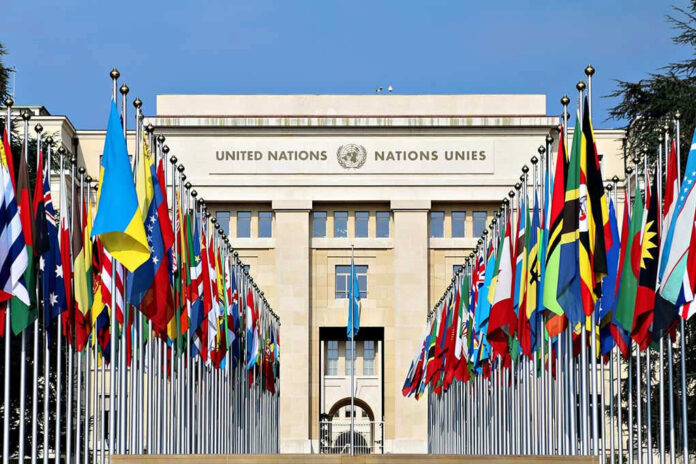
In a surreal twist of fate, a former Al-Qaeda leader once imprisoned by the United States is now welcomed as a head of state, directly engaging with his former captors at the United Nations.
Story Highlights
- Ahmed al-Sharaa, former terrorist, meets Trump as Syrian President.
- US-Syrian relations shift dramatically with lifted sanctions.
- High-profile UN interview symbolizes policy reversal.
- Concerns over the implications for global counterterrorism.
Ahmed al-Sharaa’s Journey from Terrorist to President
Ahmed al-Sharaa, once known as Abu Muhammad al-Jolani, ascended from the ranks of jihadists to become the leader of Hayat Tahrir al-Sham. Captured by US forces in the 2010s, he was later released under circumstances that remain undisclosed. By 2025, al-Sharaa had seized power in Syria, becoming its president amid the ongoing civil war. This transformation has sparked both intrigue and controversy, particularly given his notorious past.
Al-Sharaa’s role in the Syrian civil war was pivotal, as his group controlled significant territories in northwest Syria. The fragmented nature of the conflict allowed non-state actors like HTS to gain power, challenging traditional state structures. With shifting alliances and external interventions from powers like the US, Russia, and Turkey, the conflict’s resolution proved elusive. This background sets the stage for the current geopolitical dynamics involving the US and Syria.
US Policy Shift and Diplomatic Engagement
The Trump administration’s decision to lift sanctions and engage diplomatically with al-Sharaa’s government marks a significant policy shift. This move is seen as a pragmatic approach to stabilize the region and counterbalance influences from Iran and Russia. For many conservatives, this realignment underlines a strategy aimed at ending costly interventions while securing American interests in the region.
At the United Nations, a symbolic event unfolded as al-Sharaa was interviewed by the American official who had once overseen his incarceration. This moment encapsulates the dramatic reversal in US-Syrian relations and underscores the broader implications for global counterterrorism narratives. The engagement has not been without its critics, who argue that it may set a dangerous precedent of legitimizing former extremists.
Implications for Counterterrorism and Regional Stability
The normalization of relations with a former terrorist leader raises questions about the future of counterterrorism efforts and diplomatic norms. While some view this as a bold step towards peace and stability, others fear it rewards violence and undermines international standards. The integration of the Kurdish-led Syrian Democratic Forces into the Syrian state, as part of an accord announced in March 2025, further complicates the power dynamics in the region.
As the US and Syria navigate this new era of relations, the implications for regional actors like Turkey and the Kurdish populations remain uncertain. Economic recovery prospects, political realignments, and the potential for reducing violence in northeast Syria are key areas of focus. However, the challenges of reconciling former adversaries and ensuring minority rights persist, necessitating careful, strategic engagement from all parties involved.
Sources:
2 Iraqi terrorists living in Kentucky sentenced to lengthy prison terms
ISIS Suspects Held in Syria: Repatriation Reset under New US-Syrian Leaders
Former Taliban Commander Haji Najibullah Pleads Guilty