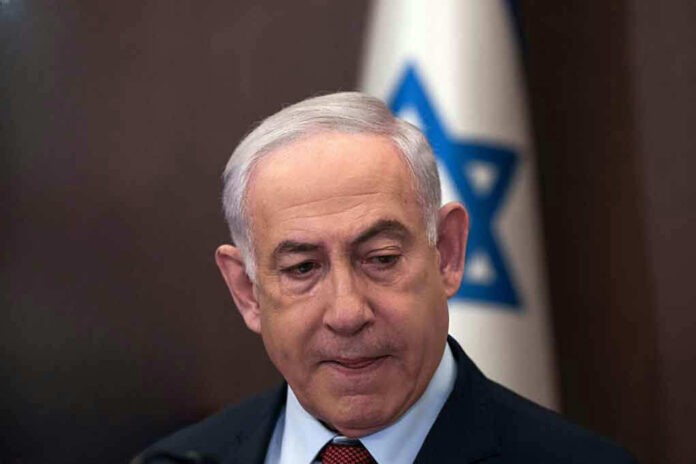
A prominent Harvard Law professor is calling for Israel’s president to pardon Prime Minister Benjamin Netanyahu while he fights what many view as politically motivated corruption charges in the midst of a war threatening the nation’s survival.
Story Snapshot
- Alan Dershowitz publicly urged Israeli President Isaac Herzog to pardon Netanyahu during a Newsmax interview
- Netanyahu faces ongoing corruption charges including bribery, fraud, and breach of trust since 2019
- Dershowitz argues the prosecution distracts from critical national security priorities as Israel battles Hamas
- The legal scholar contends the charges are politically motivated and lack substantive merit
Dershowitz Challenges Politically Motivated Prosecution
Alan Dershowitz, Harvard Law professor emeritus and longtime Netanyahu advisor, made his case on national television that Israel’s president should exercise his constitutional authority to pardon the embattled prime minister. Speaking on Newsmax on October 13, Dershowitz argued that Netanyahu’s prosecution represents a troubling example of weaponized justice that diverts attention from Israel’s existential security challenges. The distinguished legal scholar emphasized that Netanyahu should focus on leading Israel through its war against Hamas rather than battling what Dershowitz characterizes as weak, politically charged allegations. This intervention by a prominent American legal expert highlights how judicial overreach can undermine democratic governance and national security priorities during times of crisis.
Netanyahu’s Six-Year Legal Battle
Benjamin Netanyahu, Israel’s longest-serving prime minister, has endured corruption charges since 2019 including allegations of bribery, fraud, and breach of trust. The prosecution unfolded during intense political rivalry and repeated elections, with Netanyahu’s opponents using the legal system to challenge his continued leadership. Documentary films examining the case reveal the deeply political nature of the proceedings, suggesting that prosecutorial decisions were influenced more by partisan calculations than by evidence. Israel’s constitutional framework permits presidential pardons for sitting officials, though such actions remain rare. The timing of this legal battle coincides with Israel’s military campaign against Hamas in Gaza, raising fundamental questions about whether judicial proceedings should interfere with executive authority during wartime emergencies.
Protecting Leadership During National Crisis
The call for a pardon reflects broader conservative concerns about judicial activism undermining elected leadership. Netanyahu’s trial occurs as Israel confronts existential threats requiring stable, experienced leadership focused on national defense rather than courtroom battles. Dershowitz’s argument resonates with those who recognize that weaponized prosecutions—whether in Israel or America—threaten democratic governance by allowing unelected judges and prosecutors to override voters’ choices. The parallel to attempts to prosecute President Trump demonstrates how the left worldwide uses legal systems to attack conservative leaders they cannot defeat at the ballot box. A pardon would affirm that during wartime, national survival outweighs partisan legal crusades designed to remove democratically elected officials from power through judicial maneuvers rather than electoral competition.
Stakes for Democracy and Rule of Law
President Herzog faces a consequential decision weighing legal precedent against practical governance needs during crisis. A pardon could be criticized as undermining judicial independence, yet refusing one perpetuates the weaponization of courts against elected leaders. The Israeli public remains deeply divided, with Netanyahu’s supporters viewing the prosecution as a politically motivated witch hunt while opponents insist on legal accountability regardless of circumstances. This tension reflects a fundamental challenge facing Western democracies: how to balance legal processes with recognition that some prosecutions serve partisan rather than justice objectives. The outcome will influence not only Israeli politics but also international perceptions of how democracies handle conflicts between judicial systems and executive authority during national emergencies requiring unified leadership.
Dershowitz’s intervention underscores growing recognition that judicial processes can be manipulated for political ends, threatening the democratic principle that voters—not prosecutors—should determine who leads their nations. Whether Herzog grants the pardon or not, the episode demonstrates how legal systems worldwide face credibility crises when perceived as tools for partisan warfare rather than neutral arbiters of justice. For conservatives who value limited government, individual liberty, and democratic accountability, the Netanyahu case serves as a cautionary tale about unchecked prosecutorial power and the importance of protecting elected leaders from judicial activism during times when strong, focused leadership is essential for national survival.
Sources:
Alan Dershowitz Backs Pardon for Netanyahu Amid War and Legal Woes – Tampa Free Press
Alan Dershowitz Makes Case For Pardoning Netanyahu – AOL
Alan Dershowitz Makes Case For Pardoning Netanyahu – Daily Caller
The Bugs Bunny Trial of Benjamin Netanyahu – Tablet Magazine
Dershowitz on Netanyahu Trial – Ynet News